
City economic research institution celebrates 10-year anniversary
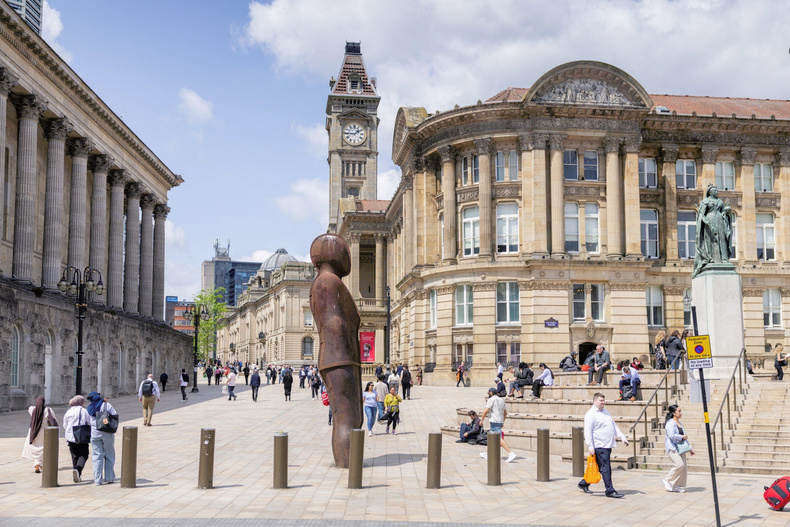
A research institute dedicated to understanding and improving the Birmingham and West Midlands economy is celebrating a decade of findings and policy creation.
The University of Birmingham’s flagship regional economic research institute, the City-Region Economic Development Institute (City-REDI), has reached its 10-year milestone.
City-REDI was established in 2015 to provide world-class research, insight, and policy support for the region.
Over the past decade, it has become a trusted partner to major institutions, including Birmingham City Council, the West Midlands Combined Authority (WMCA), and the Greater Birmingham Chambers of Commerce, helping to inform decisions that affect millions of people.
City-REDI has delivered 141 projects alongside key stakeholders and partners, supporting them in securing over £89 million for Birmingham and the wider region through business case development and collaborating on a wide range of programmes and strategies, including the Local Industrial Strategy, Devolution Deals, and Towns Bids.
The multidisciplinary team of researchers has generated £18 million in research funding, delivering a 3:1 return on the University’s investment.
With this, the team have produced an impressive body of academic work, covering everything from the impact of Brexit to COVID and the cost-of-living crisis.
Professor Rebecca Riley, co-director of City-REDI and Deputy Pro-Vice-Chancellor for Regional Engagement, said: “Our success has always come from partnership. Over ten years, we have worked hand‑in‑hand with local authorities, the Combined Authority, national departments, business organisations and communities to build a stronger evidence base for the region, understand the challenges places face in an ever-changing global context, and helped local and national policy makers create better solutions in this volatile environment.
“As we launch our strategy for the decade ahead, our commitment remains clear: to act as a civic anchor, supporting leaders with the analysis, insight and innovation needed to improve lives across the West Midlands and beyond.”
The City-REDI team has been in a unique position to examine how Birmingham has changed over the last 10 years. Between 2016 and 2023, Birmingham's economy grew by 36.3 per cent in real terms, with the wider city region growing by 34.3 per cent.
In addition to this, the industrial makeup of the region has changed dramatically.
In 2016, the largest three sectors in the region were financial and insurance activities, manufacturing and human health and social work activities.
Now the largest sector is human health and social work activities, followed by financial and insurance activities, and education.
Birmingham is increasingly moving away from manufacturing and production towards a more service-based economy.
Annual earnings for Birmingham residents between 2016 and 2025 grew by 38.5 per cent in real terms, matching the national growth rate.
City-REDI research has shown that overall, Birmingham has demonstrated its continued resilience, continuing to grow during challenging times of both national and international global economic shocks.
Professor Adam Tickell, vice-chancellor and Principal of the University of Birmingham, added: “City-REDI has become a vital part of the West Midlands policy landscape.
“Its work has helped inform major decisions and provided invaluable insight during a period of economic and social change.
“City-REDI is exceptionally well placed to continue shaping evidence-led policymaking in the decade ahead.”
Read the full City-REDI strategy on the University of Birmingham website.