Firms urged to refocus on flood risks as extreme weather disruption continues

A leading national law firm is urging UK businesses to refocus their attention on flooding and extreme weather-related disruption.
Clarke Willmott LLP says businesses can no longer afford to overlook the escalating risk posed by severe weather events.
Flooding continues to present a significant and ongoing exposure for UK commerce, especially within the retail and leisure sectors.
Recent data highlights the scale of the problem. Approximately 27 per cent of all commercial properties in Britain are exposed to some level of flood risk - double the rate faced by domestic properties.
Retail and industrial premises account for more than half of those at-risk properties, making retail the most exposed sector by volume.
Studies indicate that as many as 40 per cent of small businesses permanently close following a catastrophic flood.
Insurers paid out £124 million to UK businesses for weather-related damage and associated Business Interruption (BI) losses in Q2 of 2025 alone, underlining both the frequency and financial severity of such events.
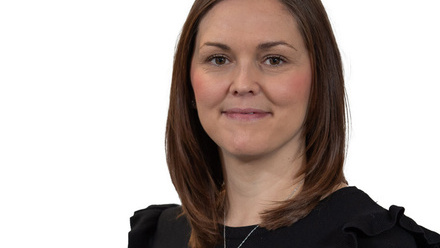
Cathy Harris (pictured), a partner and commercial and private client litigation expert at Clarke Willmott, said: “Flooding is no longer an exceptional risk, it is a recurring commercial reality.
“Businesses that are unprepared, or that accept insurer resistance at face value, risk leaving substantial sums unrecovered.”
Cathy explains that preparation is essential, not only to support business continuity, but also to demonstrate due diligence to insurers in the event of a claim.
Businesses are advised to maintain a detailed, off-site inventory of assets, equipment and stock supported by photographic evidence.
A robust flood response plan is equally important. This should include staff training and mitigation planning, as well as key processes in place for document and evidence retention.
Insurance claims can include disputes over liability and quantum, or in some cases just quantum.
Policies include express terms seeking to limit, restrict or exclude liability, as well as complicated provisions relating to the valuation of loss to be indemnified.
Insurers may also seek to rely on alleged non-compliance with policy conditions to deny or reduce claims.
Cathy continued: “Businesses that have suffered flood damage and are facing delays or disputes with insurers over BI claims should seek specialist legal advice to ensure they recover the full indemnity to which they are entitled.
“Early specialist advice can make a decisive difference to the outcome of a claim.
“Our commercial litigation team regularly advises policyholders on complex insurance coverage disputes.
“We work with policyholders to assess the facts and mount challenges that seek to overcome denials of cover and seek improved settlements where quantum is disputed. We also advise on options to pursue uninsured losses.
“We are firm, resilient and pragmatic in our approach and devise strategies which are tailored to each business. Our goal is to take out the stress and time pressures that come with these claims and facilitate business continuity.”