Higher labour costs dominate business impact concerns in new sentiment survey

Smaller businesses are struggling more than larger companies amid relentless economic challenges and higher labour costs.
A business sentiment survey by Azets, the top 10 UK accountancy and business advisory firm, laid bare the issues facing SMEs, which make up the vast majority of firms in the UK.
A series of Budget measures saw unprecedented costs loaded onto employers, such as the increase in employers’ National Insurance contributions and the minimum wage, with a subsequent downturn in the jobs market as new hires were frozen to reduce overheads.
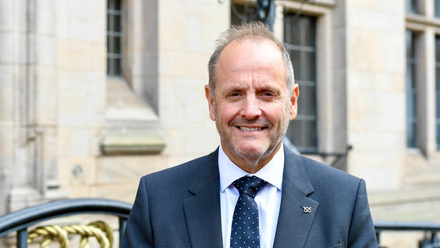
Peter Gallanagh, UK and Ireland chief executive at Azets, said: “There will be many businesses here in the Midlands where these findings resonate in their workplaces.
“However, despite this, SMEs are very resilient – they back themselves and what they do, and have directors who are close to the coalface and adept at taking decisions quickly when the time calls for it.”
The latest Azets Barometer provides a view of the current business environment, based on the perspectives of senior leaders across the markets which Azets serves.
Drawing on primary research with more than 1,700 business leaders, just before the escalation of conflict in the Middle East, the quarterly survey tracks current sentiment around economic outlook, financial performance and the challenges and opportunities shaping business decisions today.
Based on a survey of nearly 500 firms in the UK in the first part of this year, economic uncertainty and geopolitical uncertainty were flagged by respondents.
In response to being asked to rate their top concerns over the next 12 months, 67 per cent of respondents saw economic uncertainty as their biggest worry, followed by geopolitical uncertainty, which was flagged as a concern by 54 per cent.
Asked about main concerns regarding “potential negative impacts on your business”, 40 per cent cited higher labour costs, 33 per cent referenced reduced profit margins, 32 per cent reported pressure on cashflow and 30 per cent mentioned long-term financial predictability.
Regarding price increases passed on to customers, 30 per cent had done so and 29 per cent flagged what was described as a “volatile, changing tax landscape”.
Furthermore, 29 per cent reported changes in consumer demand or purchasing behaviour.
One of the key findings was that smaller firms, compared to larger companies, are “struggling with structural disadvantages such as less financial buffer, less pricing power and more exposure to cost pressures they cannot easily pass on.”
Peter highlighted that leaders of SMEs who can adapt quickly, and lead and make decisions, are the most critical to organisational resilience.
He said: “It’s not wrong decisions that kill a business. It’s not making decisions at all. It’s leadership with the capacity to make those decisions, and quickly, that really sets them up well and gives them a much better ability to be more resilient and succeed through these difficult times. SMEs have proved time and again they have the attitude and aptitude to do this.”
“Against this backdrop, our regional teams of tax and business advisory experts are well placed to help local businesses navigate the relentless economic challenges identified in our latest insights survey.”