
How to activate a fire alarm and evacuate safely in the event of a fire
Written by Sian Wilkes from Certified Pro Installs
Fire emergencies require immediate, decisive action. There’s no time to second-guess or delay.
Whether in a workplace, commercial building, or shared premises, understanding how to activate a fire alarm and evacuate properly can make a critical difference in protecting lives.
In the event of a fire, there are practical, step-by-step actions to follow, along with essential safety practices that should be part of any building’s fire safety plan. Here's what to do;
1 Recognise the signs of fire early
Before anything else, you need to be able to identify a potential fire situation quickly. Common warning signs include:
Smell of burning materials
Visible smoke or flames
Unusual heat coming from a room or appliance
Fire alarm already sounding
If you suspect a fire, do not investigate further. Prioritise safety and act immediately.
2 Activate the fire alarm immediately
Fire alarm systems are designed to alert everyone in the building as quickly as possible.
To activate the alarm:
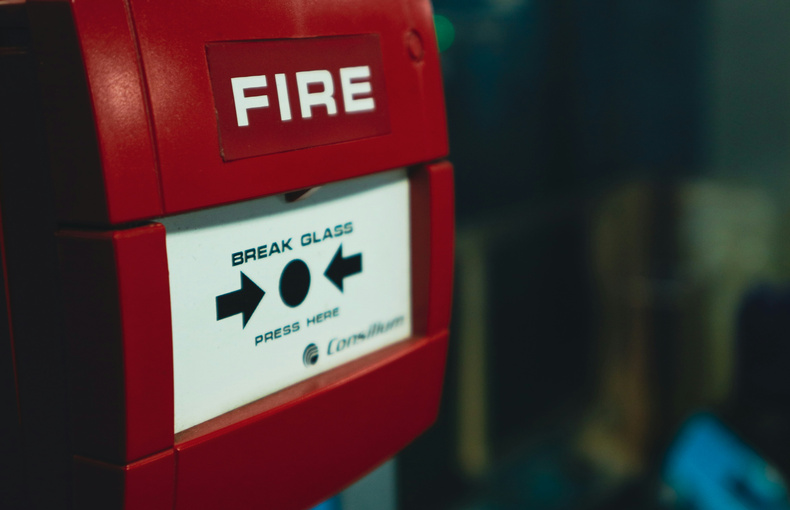
Locate the nearest manual call point (typically a red box mounted on the wall).
Break the glass or press the activation panel, depending on the system installed.
Confirm that the alarm is sounding throughout the building.
Do not hesitate. Early activation gives occupants more time to evacuate safely and can significantly reduce risk.
3 Raise the alarm verbally if safe
While the fire alarm system will notify most occupants, verbal alerts can help ensure awareness, especially in smaller or isolated areas.
Shout clearly to warn others nearby.
Direct people toward the nearest exit.
Stay calm and avoid panic, as clear communication helps maintain order during evacuation.
Only do this if it is safe to do so and does not delay your own escape.
4 Contact emergency services
Once you are in a safe location, call the fire and rescue services without delay.
Be prepared to provide:
The exact address and location of the fire
Details of the building type (office, warehouse, residential, etc.)
Information about anyone still inside or any known hazards
Do not assume someone else has made the call. If in doubt, make the call yourself.
5 Evacuate the building without delay
Evacuation should begin immediately after the alarm is activated.
Follow these key principles:
Leave the building by the nearest safe exit
Do not stop to collect personal belongings
Walk calmly—do not run
Do not use lifts or elevators
Follow illuminated exit signs and emergency lighting
Assist others if it is safe and you are able
Time is critical, so move quickly but in an orderly manner.
6 Stay low if there is smoke
Smoke inhalation is one of the greatest dangers in a fire.
Stay close to the ground where air is clearer
Crawl if necessary in heavily smoke-filled areas
Cover your mouth and nose with a cloth to reduce inhalation of smoke
Avoid breathing deeply or directly into smoke
Visibility and air quality can deteriorate quickly, so move efficiently toward exits.
7 Check doors before opening
Doors can act as barriers to fire and heat.
Use the back of your hand to feel the door and handle
If the door is hot, do not open it
If it is cool, open it slowly and be ready to close it again if smoke or fire is present
This simple check can prevent exposure to dangerous fire conditions.
8 Proceed to the Assembly Point
Once outside the building:
Move immediately to the designated assembly or muster point
Do not re-enter the building under any circumstances
Report your presence to the designated fire warden or responsible person
Assembly points are critical for accounting for everyone and ensuring no one is left inside.
9 Do not re-enter the building
Even if the alarm stops, do not assume the building is safe.
Only re-enter when:
Emergency services have confirmed it is safe
An official “all clear” has been given by a responsible authority
Premature re-entry can put lives at risk.
10 Maintain regular fire safety awareness
Fire safety is not just about reacting to emergencies—it’s about preparation.
A strong fire safety plan should include:
Regular fire drills
Clear evacuation routes
Visible and accessible fire alarms and extinguishers
Proper signage and emergency lighting
Routine inspections and maintenance of fire safety systems
Training and preparedness help ensure that everyone knows exactly what to do when it matters most.
Supporting fire safety with professional services
At Certified Pro Installs, fire safety is approached as a complete system rather than a one-time installation. Keeping people safe requires both properly maintained equipment and well-informed individuals who know how to respond in an emergency.
The team provides professional fire alarm testing to ensure your systems are operating correctly and remain compliant with current regulations. Alongside this, fire alarm safety training is available to help staff understand exactly how to react during an emergency, from activating alarms through to safe evacuation procedures.
Visit the website for more information.
Regular testing combined with practical training helps reduce risks, improves response times, and ensures your premises are fully prepared should a fire occur.
Fire emergencies demand quick thinking and calm, decisive action. Activating the alarm immediately, evacuating without delay, and following established safety procedures are essential steps that should be second nature to everyone in a building.
Preparation is key. With the right systems in place and proper training, you can ensure that everyone knows how to respond effectively, helping to protect lives and minimise harm when it matters most.