
How to check for a power cut: A step-by-step guide
Written by Sian Wilkes from Certified Pro Installs
Losing power at your property can be frustrating and disruptive, whether it’s at home or in a commercial setting. While it’s tempting to assume the worst straight away, many power issues can be quickly identified with a few simple checks.
Before calling out an engineer, it’s worth taking a methodical approach to determine whether the issue is internal to your property or part of a wider power cut. This guide walks you through exactly what to do.
1 Check your distribution board (Fuse board)
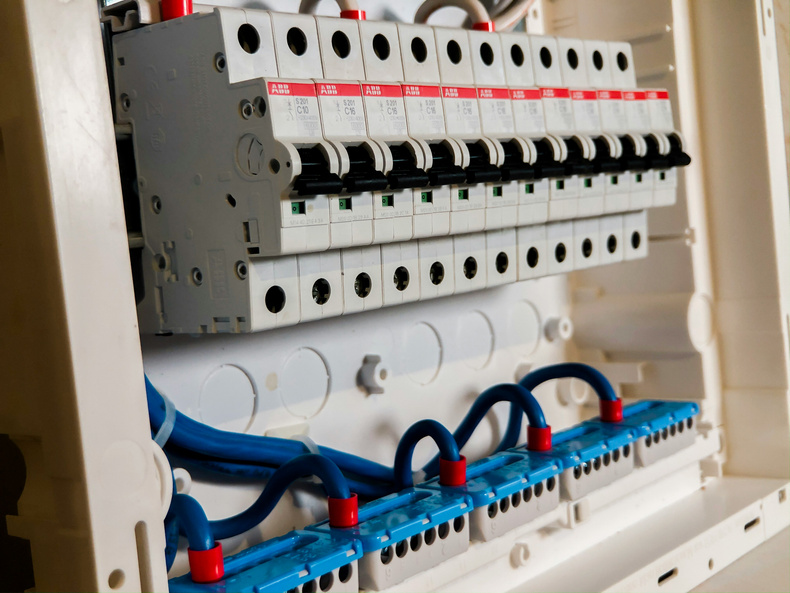
The first and most important step is to inspect your distribution board, sometimes referred to as a fuse board or consumer unit.
This is where your electrical circuits are controlled and protected. Open the board and check the position of all circuit breakers:
• All switches should be in the “on” position
• If one or more breakers are in the “off” position, this usually indicates a fault
It’s important not to simply switch breakers back on without understanding why they tripped. Circuit breakers are safety devices designed to protect your property from electrical faults, such as overloaded circuits or short circuits.
If you find a breaker switched off, the safest course of action is to contact a qualified engineer. Attempting to reset it without proper knowledge could lead to further damage or even pose a safety risk.
2 Determine if the issue is isolated
If all breakers are in the correct position and you still have no power, the next step is to determine whether the issue is limited to your property.
Speak to your neighbours—ideally:
• The property next door
• Another nearby property (for example, next door but one)
This helps you quickly identify whether:
• Only your property is affected → likely an internal electrical issue
• Multiple properties are affected → likely a local power cut
This simple check can save time and help you avoid unnecessary callouts.
3 Check the National Grid power cut map
If your neighbours are also without power, the next step is to confirm whether the issue has already been reported.
You can do this by visiting the National Grid’s dedicated power cut page.
Once there, simply enter your postcode. The system will show:
• Any known power cuts in your area
• Estimated restoration times
• Updates from your local network operator
This is often the quickest way to get reliable, real-time information.
4 Call 105 for direct assistance
If you prefer to speak to someone or cannot access the website, you can call 105.
This free number connects you directly to your local Distribution Network Operator (DNO). These are the companies responsible for:
• Maintaining power lines
• Managing outages
• Restoring electricity supply
They will be able to:
• Confirm whether there is a known issue
• Provide updates on restoration
• Log a fault if it hasn’t already been reported
This service is available 24/7 and is the official route for reporting power cuts in the UK.
5 What happens during a power cut?
When a power cut occurs, certain systems within your property may behave differently. This is completely normal and, in fact, a sign that your safety systems are functioning correctly.
You may notice:
Fire alarm systems
Your fire alarm panel may display a power fault warning. This indicates that the system has lost its main power supply and is operating on battery backup.
Emergency lighting
Emergency lights should automatically activate when mains power is lost. These lights are designed to:
• Illuminate escape routes
• Provide visibility in critical areas
• Ensure safe evacuation if required
Both of these systems are legally required in many commercial settings and are essential for safety.
6 When power is restored
Once electricity has been restored, it’s easy to assume everything is back to normal—but that’s not always the case.
Life safety systems such as fire alarms and emergency lighting may:
• Require resetting
• Have logged faults during the outage
• Need testing to ensure full functionality
For this reason, it’s strongly recommended to have these systems checked by a qualified professional after a power cut.
This ensures:
• Compliance with safety regulations
• Continued protection for occupants
• Peace of mind that everything is working as it should
7 When to call an engineer
You should contact an engineer if:
• Your breakers have tripped and won’t stay on
• You have no power but neighbouring properties do
• You’re unsure about the cause of the issue
• Your safety systems show faults after power restoration
Electrical systems aren’t something to take chances with. A proper diagnosis can prevent further issues and ensure everything is safe.
8 Professional support you can rely on
Dealing with power issues doesn’t have to be stressful when you have the right support in place.
At Certified Pro Installs, we specialise in:
• Fire alarm systems
• Emergency lighting
• Electrical fault investigation
• System testing and maintenance
We offer nationwide coverage, 24 hours a day, 365 days a year, so you’re never left without support when you need it most.
Whether it’s a routine check or an urgent issue following a power cut, our qualified engineers are ready to help keep your property safe and compliant.
Power cuts are a part of life, but knowing how to respond makes all the difference. By following a simple step-by-step approach—checking your distribution board, speaking with neighbours, and using the right resources—you can quickly identify the cause and take appropriate action.
Most importantly, never ignore the impact a power cut can have on your safety systems. A quick professional check afterwards can prevent bigger problems down the line.