
JLR slashes carbon emissions with redesigned dashboard beam
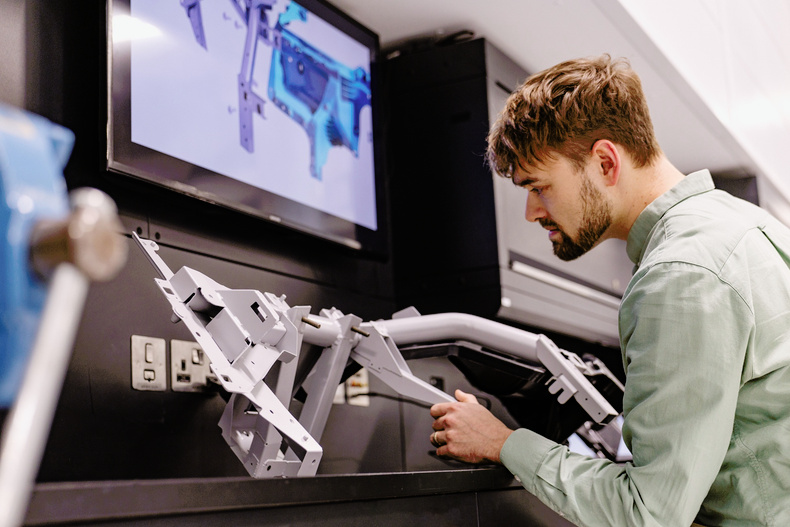
JLR has overhauled the design of one of its core in-car safety structures as part of its drive to cut carbon emissions from future vehicle platforms.
The instrument panel crosscar beam, a concealed but critical part of the cockpit that supports airbags, contributes to crash performance and helps reduce noise and vibration, has been reengineered using a hybrid mix of fibre-reinforced plastic and steel.
The component has traditionally been made from magnesium, a material with a significantly higher carbon footprint.
By removing magnesium from the design, JLR projects an annual CO₂ saving of more than 50,000 tonnes once the new structure is deployed across future vehicles.
Thomas Mueller, executive director of Product Engineering at JLR, said: “This innovation is a testament to the ingenuity of our engineering, sustainability and supplier teams.
“By reimagining a component that’s hidden from view, we are able to reduce carbon emission from future vehicles, setting a new benchmark for sustainable architectures for our next generation of luxury cars – without compromising on safety or quality.”
Matthew Atkinson, lead research engineer at JLR said: “Redesigning a structural component like this isn’t just a straight materials swap – it’s a complex engineering challenge.
“Working collaboratively with our suppliers, we had to ensure the new hybrid material met exacting standards for safety, refinement and durability, while delivering a significant CO₂ reduction.
“It’s a clear demonstration of how research and collaboration can drive meaningful sustainability improvements without compromise.”
The new beam will be integrated into JLR’s upcoming vehicle architectures as part of its broader decarbonisation programme.