New research warns of rising fraud risks for holidaymakers as summer season approaches

As millions of people plan their Easter getaways and summer holidays, a fraud expert has issued a warning of increasing risks facing both businesses and travellers within the hospitality sector.
In her latest publications, Outsmarting fraud in the hospitality industry and Spotlight on fraud risk in hospitality, Dr Rasha Kassem, senior academic and leader of the Fraud Research Group (FRG) at Aston University, reveals how fraud has evolved into a major threat affecting both businesses and consumers.
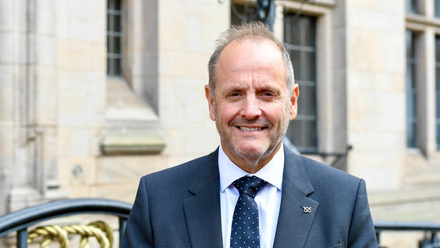
Dr Kassem (pictured) warns that fraud is not just a business problem – it is increasingly affecting travellers directly, with UK holidaymakers losing more than £11 million to travel-related fraud in a single year alone, and individual victims typically losing around £1,800, with some cases running into far higher sums.
Dr Kassem’s research also shows that fraud in hospitality is becoming more complex and technology driven.
Cases range from insider fraud, such as employee theft and manipulation of records, to highly sophisticated cyberfraud that compromises customer data and disrupts operations.
Examples include fake or misleading online reviews influencing booking decisions, overcharging or adding services customers never purchased, and credit card fraud followed by identity fraud.
These schemes can result in financial loss and significant emotional distress for travellers.
Dr Kassem’s research emphasises that prevention requires awareness. She recommends that, before booking, travellers use trusted platforms and verify hotel websites, be cautious of deals that seem too good to be true, and cross-check reviews across multiple sources.
During booking she advises travellers should avoid clicking on unsolicited links or emails, use secure payment methods, check URLs carefully to avoid phishing, and avoid transferring money (eg, via bank transfer or cash) to a holiday agency without being certain it is legitimate and verified.
Finally, during the stay, travellers are advised to protect personal information at check-in by only providing necessary details, avoiding sharing sensitive information openly, and ensuring documents are handled securely and not left unattended
Dr Kassem’s research highlights the need for stronger internal controls and fraud detection systems, investment in cybersecurity and staff anti-fraud training and awareness.
She said: “Taking a well-deserved holiday with friends or family should be something to enjoy. However, hospitality fraud not only erodes consumer trust but increasingly places tourists at direct risk.
“It is vital that people take steps to protect themselves before and during their holiday while businesses across the sector should also strengthen their fraud risk management practices to safeguard customers and protect their reputation.
“By staying vigilant and taking a few simple precautions, holidaymakers can significantly reduce their risk and protect themselves from hospitality-related fraud.”