
Rethinking what your personal brand means
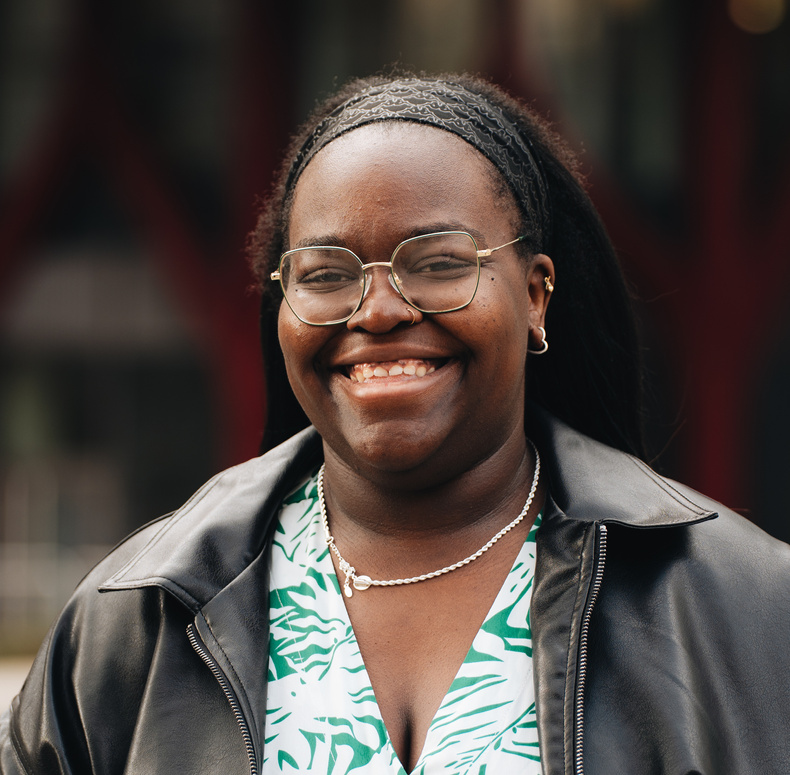
Written by Rae Rodien, Event Manager, Blackberry Events
What does a personal brand really mean?
That was the question I found myself reflecting on after attending the Future Faces Professional Development panel discussion on Personal Brand at Forvis Mazars, featuring Becca Horley, Alex Tross and Nicola Fleet-Milne.
One of my biggest takeaways was how the concept of personal branding has evolved. For previous generations, your reputation was built through the relationships you developed, the quality of your work and the legacy you left with colleagues and clients.
Today, those foundations remain just as important, but we also have platforms like LinkedIn that allow us to extend our professional reputation beyond the workplace.
What I found particularly interesting was that each panellist had built their personal brand in a different way, proving there is no single formula for success.
Becca Horley shared how she has used LinkedIn to amplify her voice, share her expertise and build meaningful connections. It wasn't about creating a polished online persona or chasing visibility for the sake of it.
Instead, her focus has been on consistently showing up as her authentic self sharing valuable insights with honesty and credibility.
As a medical negligence lawyer, she has become someone people naturally think of when they or someone in their network needs specialist legal advice.
Her personal brand has helped build trust long before a client ever reaches out, while also helping her grow her client base through genuine connections.
Alex Tross and Nicola Fleet-Milne offered a different perspective. Their personal brands have been built over many years through networking, meaningful relationships and the reputation they've earned from those they've worked with.
Their experiences reinforced that a personal brand isn't something you simply create online it's something you build through every interaction, conversation and opportunity to add value.
They both spoke about wanting to be recognised as trusted experts in their fields, and that recognition came from consistently demonstrating their knowledge and professionalism as that was the way for them to grow there personal brand.
The discussion challenged a common misconception: that personal branding is about self promotion.
I came away thinking it's much more about reputation than recognition. It's about being intentional with how you show up, ensuring your actions align with your values and allowing people to experience who you are through the way you work, communicate and support others.
My biggest takeaways were:
· Be authentic people connect with genuine people, not carefully curated personas.
· Let your work, your actions and your character do the talking.
· Advocate for others as much as you advocate for yourself. People remember those who celebrate and support their peers.
· Invest in genuine relationships rather than simply growing your network.
· Use LinkedIn to contribute, share your learning and join conversations that align with your interests and aspirations.
· Build a personal brand that reflects who you truly are while being intentional about the audience you want to reach and the opportunities you hope to create.
The biggest lesson I left with is that a personal brand isn't something you switch on when you post on LinkedIn. It's the impression you leave after every meeting, every conversation and every piece of work you produce. LinkedIn simply gives us another way to make that reputation visible.
For me, authenticity was the recurring theme throughout the discussion. The strongest personal brands aren't built by being the loudest voice in the room or constantly promoting yourself.
They're built by consistently being someone people trust, respect and genuinely enjoy working with. If your online presence doesn't reflect the person people experience every day, then it isn't really your personal brand it's just a profile.
A huge thank you to Future Faces, Forvis Mazars and the panellists for such an insightful discussion. It certainly challenged the way I think about my own personal brand and reinforced that the most powerful brands are built on authenticity, consistency and trust.