Speech and language therapy student wins national scholarship

A speech and language therapy student has won a national scholarship for a workplace design proposal that addresses one of the most overlooked sources of office stress, the ‘invisible workload’ of communications - the hidden strain and mental cost of constant noise and interruption.
First year student Riaz Kahn’s winning entry applies clinical understanding of listening effort, cognitive load and sensory overload to create a practical three-zone office layout that reduces noise-related stress without requiring a complete office rebuild.
The proposal emerged as the standout winner from a scholarship launched by global office furniture manufacturer and supplier, AJ Products UK, to encourage fresh thinking about workplace wellbeing.
The scholarship attracted entries from university and post-graduate students across a varied range of disciplines including design, psychology, architecture, business and engineering.
Students consistently rejected traditional office design in favour of workplaces that protect energy, reduce stress and prioritise wellbeing over productivity.
They value flexibility and environments designed around people over fixed, forced workspaces.
Kahn's entry stood out because it bridges academic research with real-world implementation.
The proposal recognises that open-plan offices create three core problems - noise increases cognitive load and drains focus, noisy environments force people to raise their voices causing vocal strain and social stress, and the one-size-fits-all soundscape is unfair to neurodivergent employees and those sensitive to sensory overload.
The winning design proposes three distinct zones - a Focus Zone for concentration-heavy tasks with sound-absorbing materials and no-calls policies, a Collaboration Zone for teamwork with flexible furniture and whiteboards, and a Voice Zone with call booths for phone meetings and private conversations.
The proposal includes live sound feedback displays to help teams self-correct noise levels and microbreak design features that encourage movement without making breaks feel like failure.
“The quality and diversity of entries was outstanding,” said Helen Beebe, MD of AJ Products UK.
“Riaz Kahn's entry stood out because it applied evidence from Speech and Language Therapy studies to workplace design while recognising businesses need to pilot changes carefully.
“This generation has shown us that innovation often means looking at problems through a different lens, and their vision of work as something that should feel rewarding, not just productive, is important.”
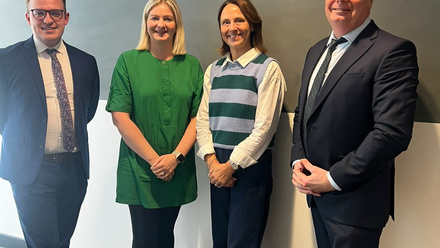
Pictured: Riaz Khan