
Stark warning about ‘romance fraud’ ahead of Valentine’s Day
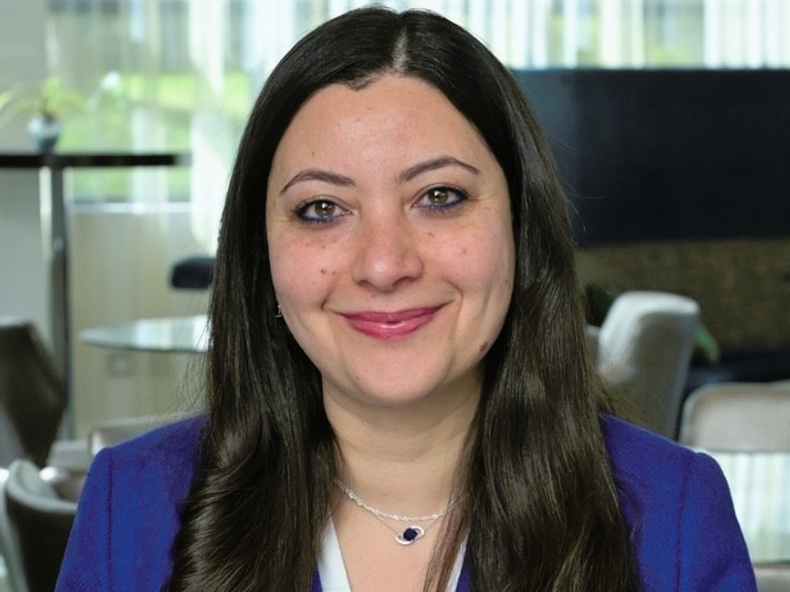
A fraud expert from Aston University is calling on the public to remain vigilant to possible romance fraud ahead of Valentine’s Day with figures highlighting the scale of the problem.
Latest national figures from the National Fraud Intelligence Bureau show that, in the 2024/25 financial year, approximately 9,449 reports of romance fraud were recorded in the UK, with losses exceeding £106 million.
It costs around £11,000 per victim with reports increasing in a number of local areas, including Bedfordshire, where cases have risen by approximately 19 per cent in recent years.
Leader of the fraud research group at Aston University, Dr Rasha Kassem, says the true scale of harm is likely higher due to under-reporting linked to stigma, emotional distress and fear of judgement.
She adds that romance fraud is not confined to digital platforms and can occur both online and offline, with offenders exploiting trust wherever relationships are formed.
Dr Kassem (pictured) said: “Romance fraud is often portrayed as an online issue, but that framing is too narrow. While digital platforms play a significant role, these offences can also originate in offline social or community contexts, so members of the public should be cautious wherever relationships are formed.
“With Valentine’s Day on the horizon, it’s vital that people are aware of the dangers of romance fraud and ways to help prevent themselves falling victim. In some cases, offenders may offer or arrange face-to-face meetings.
“These encounters can place victims at risk of physical harm, intimidation or threats, alongside the theft of money, vehicles and other valuables. Romance fraud should therefore be understood as both a financial crime and a safeguarding issue.”
To help guard against becoming a possible victim, Dr Kassem offers these simple tips:
- Be cautious if someone moves quickly to express strong emotions or commitment.
- Treat requests for money, gifts, investments or access to assets as warning signs.
- Be alert to secrecy, inconsistent information, or pressure to act quickly.
- Remember romance fraud can occur online and offline, including through social or community settings.
- Take care with face-to-face meetings, especially if there is urgency or reluctance to meet safely or publicly.
- Talk to someone you trust - an outside perspective can reveal risks.
If you feel unsafe, threatened or coerced, seek help immediately; being targeted by fraud is never a source of shame.
Dr Kassem’s research examines the mechanisms, impacts and responses to romance fraud.
Her academic article, Mapping Romance Fraud Research: A Systematic Review, synthesises existing research on the topic, while her professional publication, A Law Enforcement Guide to Combating Romance Fraud and Supporting Victims, translates research evidence into practical guidance for policing and front-line practitioners.