
The rise of the fractional PR leader: A smarter approach to communications leadership
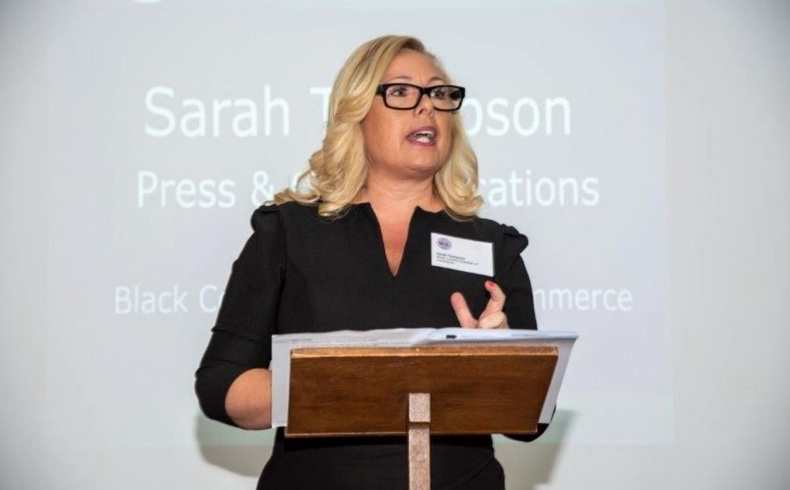
Written by Sarah Thompson - Founder of STC-PR
The communications landscape is changing. As businesses face increasing pressure to deliver more with leaner teams and tighter budgets, many are rethinking how they access senior-level communications expertise.
One model gaining significant momentum is the fractional PR leader.
Rather than hiring a full-time Head of Communications or relying solely on agency support, organisations are engaging experienced communications professionals on a part-time, embedded basis. These leaders provide strategic counsel, executive guidance and operational oversight without the long-term commitment of a permanent hire.
Several market forces are driving this shift.
Businesses continue to recognise the importance of communications in shaping reputation, supporting growth and managing risk. However, many organisations no longer require, or cannot justify, the cost of a full-time senior communications leader.
At the same time, a growing number of highly experienced PR professionals are choosing independent careers, offering their expertise across multiple organisations rather than committing to a single employer.
This creates a powerful opportunity for businesses: access to senior communications leadership precisely when it is needed.
So, what does a fractional PR leader do?
A fractional PR leader typically operates as an extension of the internal team, providing strategic direction while remaining closely aligned to business objectives.
Responsibilities often include:
• Developing and refining corporate narratives
• Advising leadership teams on communications strategy
• Managing media relations and reputation programmes
• Supporting crisis and issues management
• Coaching spokespeople and senior leaders
• Overseeing agencies and external partners
• Building communications frameworks and processes
Unlike consultants who work externally, fractional leaders become embedded within the organisation, combining strategic thinking with practical execution.
It’s the value of experience at the right moment and one of the greatest advantages of the model is agility.
Organisations can access senior-level judgement during critical periods, such as business transformation, funding rounds, leadership transitions, market expansion or reputation challenges, without creating permanent overheads.
Fractional leaders also bring an objective perspective. Having worked across multiple sectors and organisations, they can identify opportunities, risks and solutions that may be difficult for internal teams to see.
The rise of the fractional PR leader reflects a wider evolution in how organisations think about expertise.
Fractional CFOs, CMOs and HR leaders are now well-established within many businesses. Communications is increasingly following the same trajectory.
Leadership is becoming less about organisational hierarchy and more about access to specialised expertise, strategic judgement and measurable impact.
As businesses continue to adopt more flexible talent models, the demand for fractional communications leadership is expected to grow.
For organisations, it offers a cost-effective route to senior counsel and strategic support. For communications professionals, it creates new opportunities to deliver high-value expertise in more flexible and rewarding ways.
The future of communications leadership is not necessarily full-time or agency-based.
Increasingly, it is fractional, strategic and embedded.
Sarah Thompson is the Founder of STC-PR and a strategic communications specialist who helps brands develop clear, compelling stories that resonate with the audiences that matter most. With a background spanning public relations, media strategy and editorial leadership, she brings a rare blend of journalistic insight and consultancy expertise to her work.
Former editor of Prosper Magazine, the region’s longest-running business publication, Sarah has worked closely with business leaders, trade bodies and entrepreneurs to shape influential editorial narratives for over 20 years.