West Midlands job market struggling to keep pace – Chamber

A combination of economic uncertainty and rising cost pressures is hindering job growth in the West Midlands, business leaders said today.
New figures from the Office for National Statistics reveal unemployment in the region rose by 0.2 per cent in the three months to January.
There was also a 4.4 per cent decline in employment over the same period.
The West Midlands unemployment rate now stands at 6.1 per cent – the second highest of any region outside London.
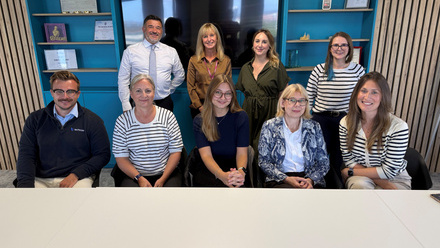
Emily Stubbs (pictured), head of policy at Greater Birmingham Chambers of Commerce, said: “Today's figures confirm once again that the West Midlands is struggling to keep pace with the national labour market.
“Employment has softened locally while unemployment has continued to rise at a rate above the national average, and this divergence is having real consequences for households and businesses across our region.
“A combination of economic uncertainty – renewed by recent global events – and ever-increasing cost pressures is restricting firm-level investment, hindering job creation and stifling economic growth.
“Whilst the commitments around enhanced spending powers for strategic authorities in the Chancellor’s Mais lecture earlier this week are encouraging, and may present additional opportunities for practical, local interventions in skills, workforce health and transport, delivery will be key.
“To unlock firm-level investment in the creation of new jobs, and ensure businesses can access the talent they need, the Government must also provide clarity and sensible pacing on employment reforms and a plan to ease cost pressures.”
Nationally, unemployment has remained at the highest rate in five years – with the jobless rate rising to 5.2 per cent in the three months to January.
The ONS said the increases in the last three months were largely due to young people, aged 18 to 24.
However, the ONS has continued to advise caution when interpreting changes in the monthly unemployment rate and job vacancy numbers over concerns about the reliability of the figures.
Meanwhile, wage growth was at its lowest in more than five years.
Pay is still rising faster than inflation, but more slowly than before, in both the private and public sectors.
Average pay, including bonuses, rose 3.8 per cent, while average weekly earnings, which include bonuses, increased 3.9 per cent.
- With Staffordshire on the brink of a once‑in‑a‑generation shift in local government, the GBCC’s Staffordshire Gateway Growth Panel report, launching next week, examines how the move towards a new Strategic Authority could best support business. We invite local authorities, policymakers, and business leaders to join us in exploring how we can build a more prosperous Staffordshire – register your place.
- Join us for the Q1 Quarterly Business Report launch event focusing on Investment Trends in Greater Birmingham.