
What is customer journey mapping and why is it important in 2026?
Written by mff marketing
In 2026, understanding your customer path to purchase is more critical than ever.
Customer journey mapping is one of the most enjoyable elements of marketing strategy, helping brands to focus their marketing plan in the channels and platforms that their consumer is shopping in.
"Customer journey mapping is the process of stepping into your customer’s shoes and visualising every interaction they have with your brand" - mff marketing
The explosion of digital platforms and AI-driven tools, has enabled brands to push content through multiple platforms and channels.
However, in 2026, brands need to move beyond surface-level engagement and truly map the customer journey to deliver meaningful, personalised experiences in the channels that their consumers are present.
Customer journey mapping is a foundational exercise for any brand serious about growth and customer loyalty.
What is customer journey mapping?
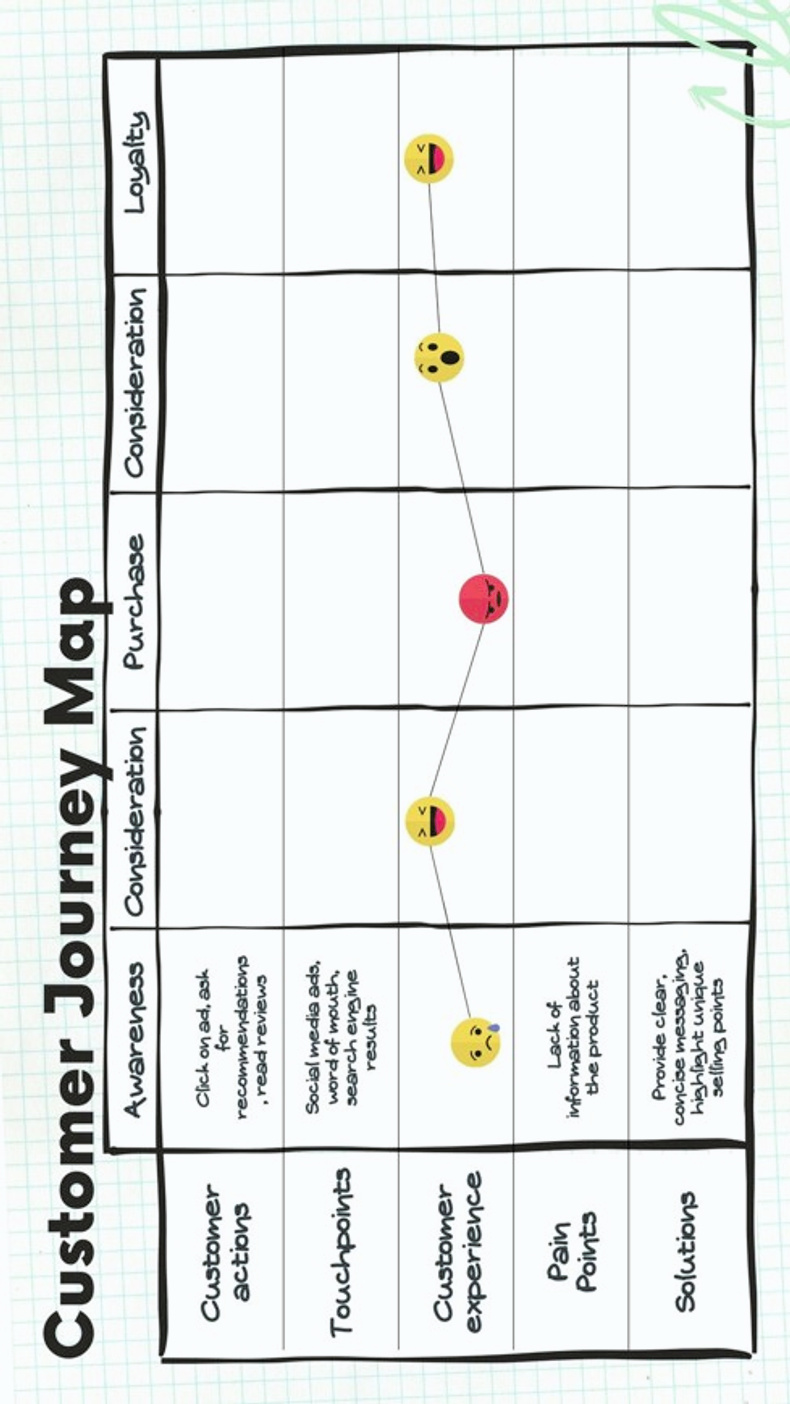
Customer journey mapping is the process of stepping into your customer’s shoes and visualising every interaction they have with your brand, from the first moment of awareness to becoming a loyal client.
This exercise helps you understand the full customer experience, identify friction points, and uncover opportunities to delight your audience at every stage.
A typical customer journey map will outline key touchpoints, emotions, and actions across channels such as your website, social media, email, and even offline experiences.
By mapping these journeys, brands can align their teams, optimise marketing strategy, and ensure every interaction is purposeful and consistent.
Why is customer journey mapping important for brands in 2026?
The marketing landscape in 2026 is more fragmented and competitive than ever. With AI making it easier for brands to launch campaigns across multiple channels, the risk of spreading your efforts too thin is real. Consumers now discover, research, and purchase products at any time, on any device, and through any platform.
Customer journey mapping helps brands to:
- Identify the channels that truly drive engagement and conversions.
- Focus resources on the most impactful touchpoints.
- Deliver a seamless, omnichannel experience that builds trust and loyalty.
- Adapt quickly to changing consumer behaviours and new technologies.
In a world where users expect personalisation and instant gratification, journey mapping is the key to understanding not just what your customers do, but why they do it.
Marketing automation platforms and customer journey mapping
The rise of AI and marketing automation platforms has transformed how brands approach customer journey mapping. Tools like n8n, Make, and Zapier allow marketers to move from static, theoretical maps to dynamic, automated, and personalised experiences.
The logic you build in these tools mirrors your customer journey map, creating a marketing funnel with triggered emails, automated social media posting, personalised content, and nurturing leads based on real-time behaviour.
By combining journey mapping with automation, brands can deliver the right message, to the right person, at the right time, in an automated way.
What are the five best customer journey mapping tools in 2026?
Choosing the right tool is essential for effective journey mapping. Here are the top platforms to consider:
1 Fullstory
Best overall for journey mapping, Fullstory combines session replay, real-time analytics, and journey visualisation. It autocaptures every user interaction, helping you pinpoint friction points and optimise the customer path to purchase.
2 Figma
Ideal for design-led teams, Figma offers collaborative journey mapping and prototyping, making it easy to visualise and iterate on customer flows.
3 Miro
Miro’s infinite canvas and templates are perfect for brainstorming and mapping complex journeys with cross-functional teams.
4 Smaply
Specialised in persona-driven mapping, Smaply helps you create detailed journey maps with stakeholder alignment and pre-made templates.
5 Glassbox
Glassbox provides real-time analytics and session replays, giving you actionable insights into user behaviour and digital experience optimisation.
Each tool offers unique strengths, so consider your team’s needs, technical skills, and integration requirements when choosing the right platform.
How to get started with customer journey mapping - six helpful tips
1 Define your personas
Start by understanding your key customer segments: their goals, pain points, and motivations.
2. Map out touchpoints
List every interaction your customer has with your brand, both online and offline.
3 Gather data
Use analytics, customer feedback, and behavioural data to inform your map. Don’t rely on assumptions—let real user data guide your decisions.
4 Visualise the journey
Use tools like Fullstory or Miro to create a visual representation of the journey, highlighting key moments and emotions.
5 Identify friction points
Look for drop-offs, confusion, or negative feedback. These are your opportunities for improvement.
6 Automate and optimise
Integrate your journey map with automation tools to deliver personalised experiences at scale.
FAQs: Customer journey mapping in 2026
What is the main benefit of customer journey mapping?
It helps brands understand and optimise every stage of the customer path to purchase, leading to higher engagement, conversion, and loyalty.
How does AI impact customer journey mapping?
AI enables real-time data collection and automation, allowing brands to personalise experiences and respond instantly to customer behaviour.
Which tool is best for beginners?
Miro and Smaply offer user-friendly templates and collaboration features, making them ideal for teams new to journey mapping.
Can journey mapping improve ROI?
Absolutely. By focusing on the most impactful touchpoints and reducing friction, brands can increase conversions and customer lifetime value.
How often should I update my customer journey map?
Regularly, at least quarterly. Consumer behaviour and technology change rapidly, so your map should evolve with your audience.
Customer journey mapping is no longer optional for brands that want to thrive in 2026. It’s the foundation of a successful marketing strategy, enabling you to deliver experiences that are not just seen, but felt. By leveraging the right tools and embracing automation, you can turn insights into action and build lasting relationships with your customers.