
Why trust still matters in PR - Even more in the age of AI
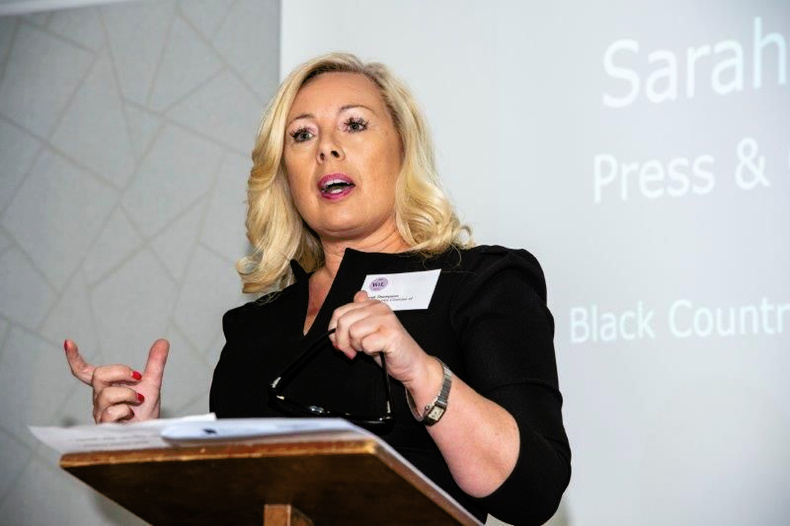
Written by Sarah Thompson - Founder of STC-PR
The recent investigation by Press Gazette into the rise of so-called ‘fake experts’ should serve as a wake-up call for anyone working in media, communications or journalism.
More than 1,000 articles across mainstream UK titles were found to include commentary from experts who either don’t exist at all, or whose credentials simply can’t be verified. In some cases, even profile images were AI-generated. That should concern all of us.
AI has undoubtedly opened up powerful new tools for content creation, but it has also made it frighteningly easy to manufacture authority. A confident quote, a polished headshot and a plausible job title are no longer proof of credibility. They’re table stakes for misinformation.
What makes this issue particularly damaging is that it doesn’t just undermine journalism, it erodes trust in the PR industry as a whole.
We’re now seeing fictional professionals pop up in everything from health and finance to home improvement and travel. Think of the ‘consumer trends analyst’ who appears in dozens of articles but has no digital footprint beyond press releases, or the ‘senior trade advisor’ who can’t be found on LinkedIn, company websites or professional registers.
Two examples highlighted during the investigation included:
• A fabricated small-business spokesperson, supposedly linked to a Chamber of Commerce affiliate, complete with an AI-generated headshot and generic commentary on UK entrepreneurship, yet with no record of membership, employment or public presence.
• A lifestyle and wellbeing consultant quoted extensively on seasonal health topics, whose credentials dissolved the moment journalists asked for a registration number or a real-world interview.
These aren’t harmless shortcuts. They’re deliberate attempts to game the media system for links, visibility and commercial gain.
We’re entering an era where large volumes of poor-quality content can be created and distributed almost instantly. Each fake source that slips through doesn’t just mislead audiences; it makes life harder for the many PR professionals who work ethically and invest in real expertise
So, it’s genuinely encouraging to see industry bodies taking this seriously.
The Chartered Institute of Public Relations (CIPR) and the Public Relations and Communications Association (PRCA) have now come together to actively urge journalists to verify their sources and use professional registers when dealing with PRs. Other organisations, including business groups and Chambers of Commerce, have also reiterated the importance of due diligence when putting forward spokespeople on behalf of their members.
As one industry leader put it recently, when false expertise enters the information chain, trust breaks down at every stage, from PR to newsroom to reader. That’s not a problem technology can solve on its own.
At STC-PR, this reinforces something we’ve always believed: relationships matter.
Long standing relationships still win.
Real PR isn’t about volume or velocity. It’s about accountability, context and human judgment. Journalists know which PRs will answer the phone, provide access to genuine experts and stand behind the information they share. That kind of trust can’t be replicated by AI, and it certainly can’t be faked indefinitely.
Yes, verification now takes more effort. But credibility has always required effort.
Professional registers, codes of conduct and trade body membership, whether through the CIPR, PRCA or recognised Chambers of Commerce, give journalists practical tools to separate credible operators from bad actors. They also protect the vast majority of PR professionals who operate ethically and transparently.
In a media environment increasingly vulnerable to misinformation, trust remains the most valuable currency we have.
AI may be able to generate content at scale, but it can’t replace integrity, experience or accountability. As communicators, it’s on us to ensure we’re strengthening, not weakening, the bond between PRs and journalists.
Because once trust is lost, no amount of clever technology can buy it back.
Sarah Thompson is the Founder of STC-PR and a strategic communications specialist who helps brands develop clear, compelling stories that resonate with the audiences that matter most. With a background spanning public relations, media strategy and editorial leadership, she brings a rare blend of journalistic insight and consultancy expertise to her work.
Former editor of Prosper Magazine, the region’s longest-running business publication, Sarah has worked closely with business leaders, trade bodies and entrepreneurs to shape influential editorial narratives for over 20 years.