
AI in the workplace: How to turn time savings into better work
Written by Coaches for Change
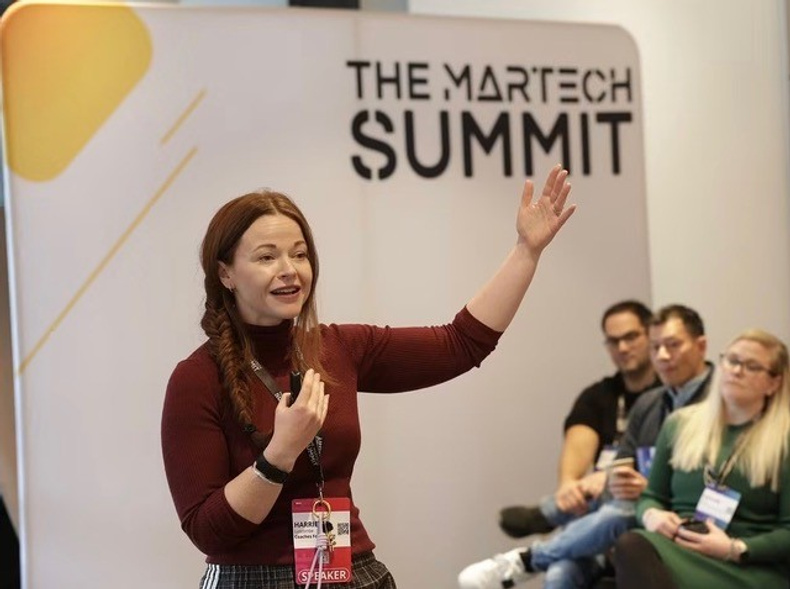
Businesses are pouring time, money and energy into AI to become more efficient. But when Harriette asked leaders at the roundtable she was invited to host how their teams are really doing, not one said "thriving". Most said "surviving".
"We're making work faster, but we're not making it better," says Harriette. "If the time AI saves just gets filled with more work, we haven't moved beyond busy. We've built a faster treadmill."
It isn't the tech. It's how change feels
Leaders pinpointed where the pressure really comes from. For their teams, it was uncertainty: not knowing what their role will look like next year. For leaders themselves, it was status: their expertise and standing being redrawn by tools that are moving faster than they can learn them.
"Those pressures are human, not technical," says Harriette. "When people are stuck in survival mode, there's no headroom left to imagine what's possible.
The real opportunity with AI isn't squeezing more out of people. It's giving them the time and space to think bigger, more creatively and move from surviving to thriving."
The questions from the floor showed how deep those worries run. The most backed by the room was: "How many people fear that the over-reliance on AI is reducing individualisation and free thought?"
Others asked how to bring people on board with new technology, whether AI is being used to present data that is badly structured or misleading, and how managers can lead across generations with very different expectations of tech.
The businesses getting it right slow down
The teams making AI work weren't racing to the next tool. They were piloting, training and bringing people with them. And the biggest prize goes to those who decide what freed-up time is for.
Deloitte's Tech Trends 2026 report describes Coca-Cola's chief information officer reframing its AI journey in exactly these terms: from asking what the business can do with technology, to what it should do.
When IKEA's AI assistant took on almost half of customer service queries, the company retrained 8,500 call centre staff as interior design advisers, creating a channel worth €1.3bn. That shows big, creative thinking, not just an efficient drive.
Three questions every leader should ask this week
- When AI saves my team time, where does that time actually go?
- What is my team most uncertain about right now, and have I asked them?
- If I could give my people five hours back each week, what would I want them to do with it?
Harriette Luscombe is a behaviour change specialist and co-founder of Birmingham-based Coaches for Change.