
Birmingham’s Hiring Landscape: Flexibility, Skills and Cautious Confidence
This blog was written as part of the 2025 Birmingham Economic Review, an annual report produced by University of Birmingham/City-REDI in partnership with the Greater Birmingham Chambers of Commerce. Read the full report.
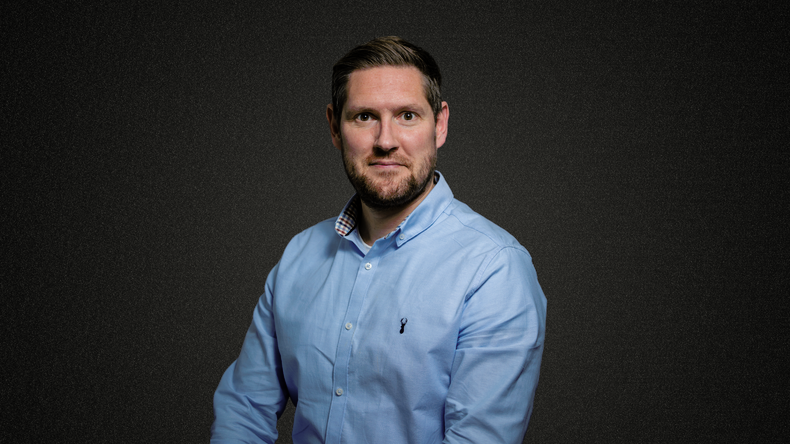
By Gareth Watkins, Performance Director, SF Recruitment
After more than two decades recruiting across Birmingham, I’ve seen the city weather many economic shifts, but the current hiring landscape feels particularly complex.
Employers are treading carefully. Since the rise in Employers’ National Insurance, many have become hesitant to recruit new permanent roles or replace leavers. Economic uncertainty is encouraging businesses to hold off on long-term hiring decisions, and as a result, the market for permanent placements has softened.
In contrast, we’ve seen a clear rise in temporary and interim recruitment. Companies are increasingly turning to flexible workforce solutions to manage short-term projects or bridge gaps while maintaining agility. This trend shows no sign of slowing, as employers seek to balance caution with continuity.
Growing demand for digital and data skills
Birmingham’s tech scene continues to expand, and with it comes sustained demand for digital, data and AI-related skills. Businesses are investing in people who can help them harness technology to drive efficiency and innovation. At the same time, engineering remains an area of persistent shortage, mirroring the national picture. The region’s industrial heritage is strong, but finding experienced technical professionals remains a challenge.
Professional services, financial services, and technology are among the most active sectors for hiring. In these areas, salary pressure is mounting as demand outpaces supply. Employers are competing not just on pay, but on culture, flexibility, and progression opportunities.
What employers and candidates want
Attracting senior, strategic, or technical candidates has become tougher. The best people are more selective than ever, often waiting for the right opportunity rather than moving reactively. Employers with compelling pay and benefits packages, supportive hybrid-working models, and healthy working environments are winning the race for talent.
Candidate expectations have also shifted since the pandemic. Flexibility remains one of the most sought-after benefits. Many working families have built childcare and daily routines around hybrid arrangements, and any reduction in flexibility can be a deal-breaker. Even for businesses that are predominantly office-based, flexibility in start and finish times is now seen as a minimum expectation. Similarly, 25 days’ holiday plus bank holidays has become a baseline standard; anything less makes attraction noticeably harder.
A cautious yet optimistic outlook
Looking ahead, Birmingham businesses are understandably cautious about growth and hiring over the next 12 months. The cost-per-hire has risen significantly, and a sluggish economy has made many organisations pause to reassess their workforce needs. Yet beneath this caution is resilience.
Birmingham’s business community is incredibly diverse, shaped by its multicultural population, strengthened by its universities, and enriched by a mix of sectors that extends far beyond its manufacturing roots. Its central location and connectivity continue to make it a magnet for investment and talent.
A city built on industry but now thriving on innovation, there’s every reason to be confident that Birmingham will continue to adapt, attract, and grow even in uncertain times.