Budget brings devolution boost but leaves firms underwhelmed - Chamber

Chancellor John Healey’s first Budget will leave West Midlands firms feeling underwhelmed despite a significant fiscal devolution win for the region, business leaders said today.
Greater Birmingham Chambers of Commerce said the Budget had brought some welcome measures for founders, start-ups and manufacturers, but had again failed to deliver meaningful business rates reform or enough action on energy costs.
The headline announcement for the region was a move towards full local retention of business rates.
Under the Government’s plans, mayors will keep a 20 per cent share of locally retained business rates from next year, and local and regional government will retain 100 per cent of business rates income by the end of the decade. Income tax assignment for all mayors will begin in 2028.
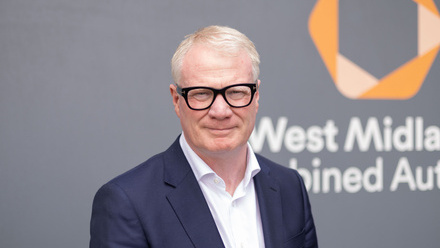
Emily Stubbs (pictured), head of policy at the GBCC, said: “The announcement that by 2030 the West Midlands can anticipate full business rates retention, alongside partial income tax retention presents a significant opportunity, provided these new freedoms are used in genuine partnership with business to unlock investment, strengthen infrastructure and tackle the barriers holding back regional growth.”
Meanwhile, the Chancellor raised the Small Business Rate Relief threshold for retail, hospitality and leisure businesses from £12,000 to £18,000, which will exempt 70,000 smaller firms from business rates altogether.
Ms Stubbs continued: “More immediately, there were some positive announcements for founders, business leaders and start-ups, particularly those just taking the initial leap to start their entrepreneurial journey, and self-employed parents.
“The extension of business rates reliefs for retail, hospitality and leisure firms will also be welcomed. However, it is incredibly disappointing to see yet another Chancellor swerve the call for meaningful business rates reform and choosing to simply patch over the cracks in a fundamentally flawed system.”
The Chancellor confirmed the £15bn Defence Investment Plan is now fully funded, with details of how the UK will reach 3 per cent of GDP on defence by 2030 to follow at next year’s spending review.
He also handed a further £20.4bn to the National Wealth Fund and British Business Bank, including up to £5bn for defence and dual-use technology, plus an extra £140m for the Sovereign AI Unit to help UK AI firms scale up.
Ms Stubbs said: “As in previous budgets, increased investment in defence, alongside ambitions to expand the UK’s defence industrial base, may offer new opportunities for local businesses, particularly many manufacturers here in the West Midlands already engaged in automotive supply chains.
“More broadly, increased funding to crowd in business investment, through the National Wealth Fund and British Business Bank, investment in sovereign AI, and the new UK Export Finance guarantee are positive.
“Nevertheless, many firms will be disheartened by an underwhelming Budget overall.
“Many businesses will have been hoping for more on energy costs and fuel, and while additional funding for local apprenticeship services is welcome, delaying the Government’s full response to the Milburn review means businesses will have to wait longer for the more fundamental action needed on youth unemployment, skills and economic inactivity.”
Much of the Budget’s energy support will be paid for by the banking sector, with the surcharge on bank profits rising from three per cent to six per cent for 15 months from January.
Ms Stubbs added: “Whilst the banks footing much of the bill for these announcements will be buoyed by Healey’s surcharge hike coming in lower than anticipated – and for a limited time period – many will remain concerned about the precedent that it sets, and risks to long term competitiveness.”
- What does the Chancellor's Budget mean for your business? Read this comprehensive round-up from the GBCC's Policy team.