
Cost-of-living pressures driving pessimism in consumer sentiment in the Midlands
Consumer confidence across the Midlands has dropped significantly as households are braced for rising costs, according to a new report.
PwC’s latest Consumer Sentiment Survey, which tracks consumers’ spending intentions, reveals levels of anxiety are higher around everyday costs (92 per cent vs 90 per cent nationally) and household earnings (67 per cent vs 63 per cent) - highlighting a squeeze on disposable income.
Over a third (38 per cent) of consumers in the Midlands say they feel worse off than a year ago, compared with just a quarter (25 per cent) who feel better off.
More than half (55 per cent) are also concerned about job security.
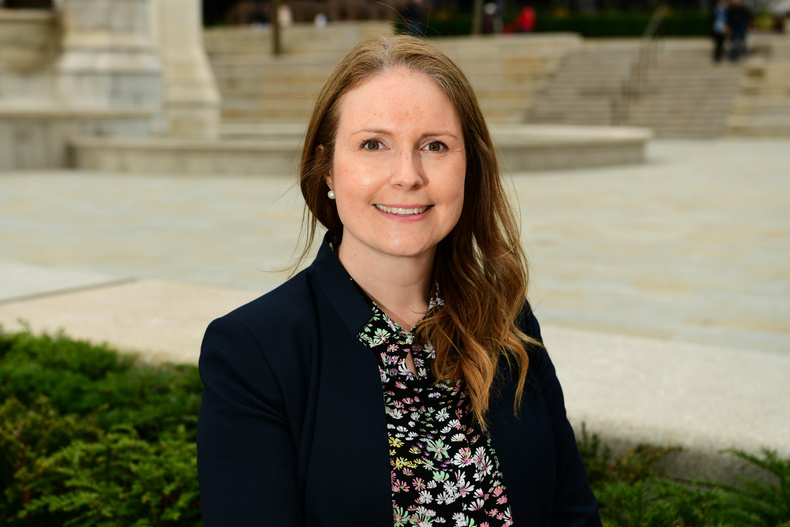
Sarah Philips (pictured), leader of Midlands Retail & Consumer markets at PwC UK, said:
“Consumers across the Midlands are clearly feeling the strain, with rising everyday costs continuing to erode confidence and reshape spending behaviour.
“While a quarter of consumers report feeling better off, this is outweighed by those who feel worse off, and concerned about affording essentials, housing costs and income stability.
“In a region with a strong high street presence and a diverse mix of retail, manufacturing and consumer businesses, this shift in sentiment will be closely felt. A more cautious consumer is likely to spend less and visit less often, putting pressure on businesses to show value and adapt quickly.
“For retailers and consumer-facing businesses, success in the coming months will depend on understanding those shifting behaviours, balancing affordability with experience, and responding with agility to maintain demand in a more challenging environment.”
Nationally, the Consumer Sentiment Survey indicates global events have dented consumer confidence, with sentiment declining to its lowest level since Autumn 2023 and falling at the fastest quarterly rate since June 2022.
With consumers bracing themselves for rising living costs, the survey reveals the biggest quarterly drop in perceived household finances since 2022 - a 7 per cent decline in those reporting healthy finances (i.e. having money left at the end of the month for luxuries or savings) since January, and a 4 per cent rise in those struggling or in trouble (i.e. missing bills or loan repayments, or in danger of doing so).
Under 35s have been hardest hit, with a 20 per cent fall in those feeling financially healthy and a 9% increase in those struggling or in trouble.
Almost 90 per cent of consumers say they are concerned about the cost of living, the top concern for consumers, particularly middle age groups (35-54 year olds) and the less affluent.
The other joint top concern is the UK economy (almost 90 per cent), followed by global events (87 per cent), with other big rises this quarter for concern about household earnings (up to 63 per cent from 58 per cent) and mortgage repayments or rent going up (up to 44 per cent from 36 per cent).