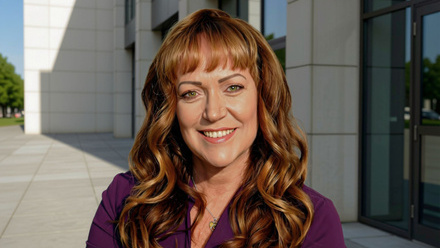
Employers urged to invest in staff wellbeing before winter sets in
A wellbeing and growth coach is calling on employers to invest in staff wellbeing and development support before pressure builds.
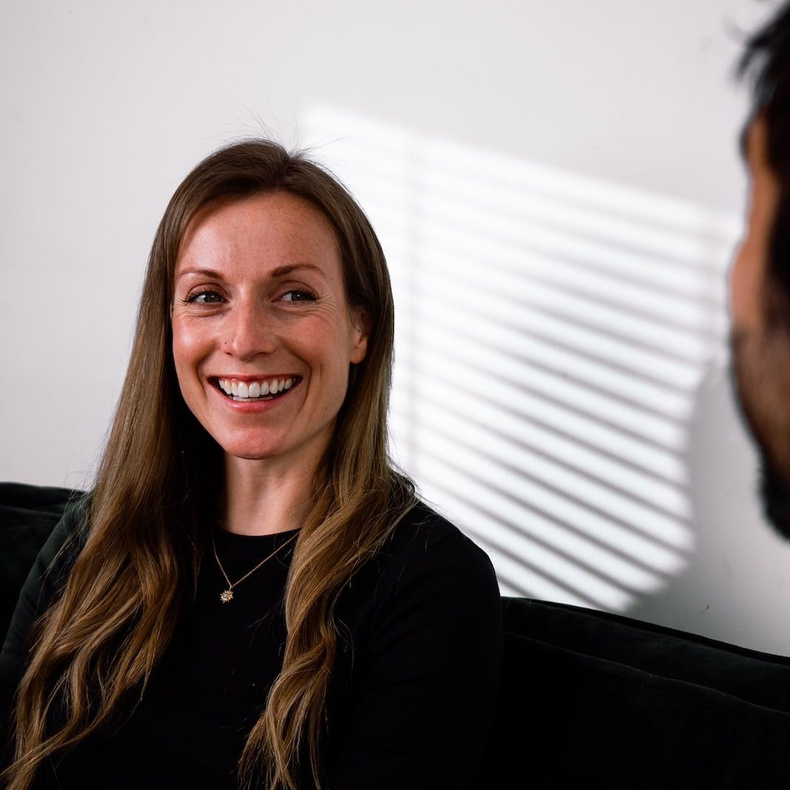
Nicola Forsyth, (pictured) founder of Nicola Kathryn Coaching has highlighted that the period between September and October is an opportune time for employers to take preventative action to get ahead of the seasonal dip in mood, motivation and energy that tends to follow the summer break.
She says it’s a time for both businesses and employees to reflect, refocus and build practical strategies before Q4 targets take hold, winter sets in and burnout builds.
The call to action comes as the number of people recorded as experiencing stress, depression and anxiety has reached an all-time high in the UK.
Nicola said: “Stress-related absence is one of the biggest costs UK employers face, and the data shows it's only getting worse.
“Autumn is the best window for organisations to take preventative action to help their people reset, re-energise and re-engage – with more helpful mindsets, clear goals and genuine support for their wellbeing.
“Waiting until someone is already struggling costs far more, both to the individual and to the business, than acting early.
“Our approach combines 1:1 coaching with evidence-based wellbeing as you need both for individuals and teams to truly thrive.
“Even the most competent managers can’t sustainably perform if their health and wellbeing is on the floor – and a business is only as healthy as its people.
“This year, we’ve seen a real increase in the number of businesses coming to us for ongoing support – be it workshops or coaching programmes – as they recognise staff support is not an annual tickbox initiative but a core driver of sustainable performance.”
The latest Health and Safety Executive (HSE) figures show the number of working days lost to stress, depression and anxiety climbed to 22.1 million in 2024/25 – 62 per cent of all working days lost to work-related ill health, up from 55 per cent (16.4 million days) year-on-year*.
During this period, we experience a ‘Q4 pressure cooker’ of year-end targets, project crunches and budget wrap-ups colliding with depleted post-summer energy levels.
Added to this, NHS figures estimate that around 1 in 15 people experience seasonal affective disorder (SAD) between September and April**, with symptoms most severe during December, January and February when daylight hours are shortest.
Around this time, many people are also feeling the pinch on finances and more likely to experience loneliness as socialising reduces in January.
Left unaddressed, the seasonal slump can build – peaking in January, when Brits take around 53 per cent more sick leave than the seasonal average.