Interviews ‘biggest barrier to employment’ for neurodiverse jobseekers - research

Interviews are the biggest barrier preventing neurodiverse people from securing jobs, according to new research from Midland-based recruitment experts Pertemps.
A survey by recruiter Pertemps Network Group, conducted during the recent Neurodiversity Celebration Week, found that 66 per cent of respondents identified interviews as the most challenging stage of the hiring process.
In comparison, job attraction and advertising (14 per cent) and career progression (12 per cent) were seen as moderately challenging, while onboarding (8 per cent) was viewed as the least problematic stage.
The findings come as UK employers continue to face skills shortages, raising concerns that traditional hiring practices may be unintentionally excluding talented candidates.
Traditional interview formats often rely on rapid responses, reading social cues and unstructured communication. The research suggests these approaches can disadvantage neurodiverse individuals, even when they are well suited to the role.
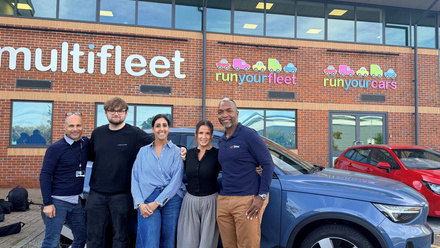
Abigail Farnham (pictured), director at Pertemps, based in Meriden, said: “Removing barriers to employment continues to be a priority for many of our clients, and a growing number are asking for support to reassess their hiring practices, so they are accessible, inclusive and reflective of different ways of thinking and communicating.
“This research shows that meaningful change requires more than intent. It requires practical adjustments to how candidates are assessed.”
Pertemps is encouraging employers to review their recruitment processes and consider practical changes, including:
- Offering alternative interview formats such as task-based or practical assessments
- Providing interview questions in advance
- Allowing additional processing time during interviews
- Training hiring managers in neurodiversity awareness.
Visit the Pertemps website for more information.
The survey was carried out on LinkedIn between March 16 and 20, 2026, with 140 responses.