Poundland collapse will hit local economies beyond its 11,000 jobs, expert warns
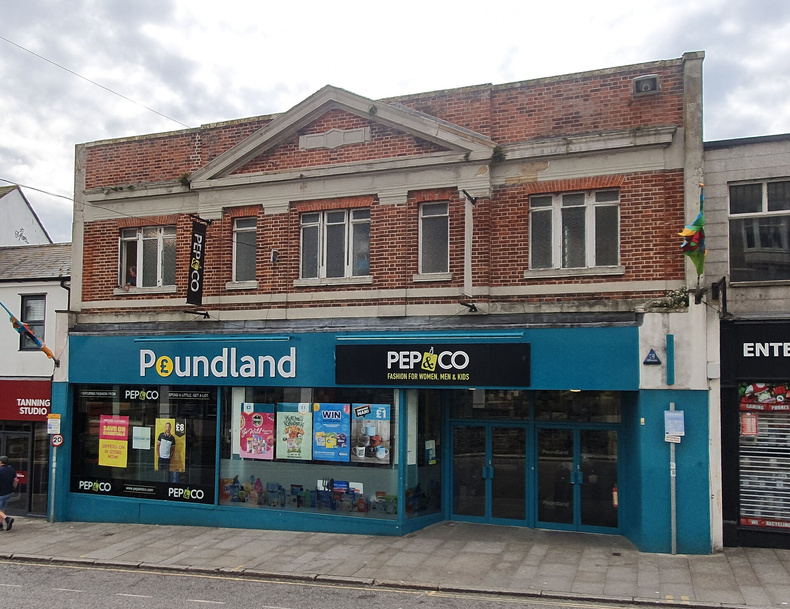
The collapse of Poundland will be felt far beyond its own stores, with suppliers, distributors and neighbouring high street businesses all likely to be affected, an economics expert has warned.
The Walsall-headquartered retailer entered administration yesterday after its owners failed to find a buyer, putting 11,000 jobs at risk weeks before Christmas.
Its 600 stores will continue trading for now, but the business is likely to be broken up, with some stores sold to rival retailers.
Dr Danilo Spinola, senior lecturer in economics at Birmingham City University (BCU), said the impact would spread through local economies.
He said: “When people lose their jobs, they lose purchasing power and spend less in shops, restaurants and other local businesses.
“Economists refer to this as a multiplier effect: an initial loss of income generates further losses of income elsewhere in the economy. This could include potential job losses for Poundland's suppliers and distribution networks.
“Workers may also struggle to find alternative employment offering equivalent wages and working conditions, particularly in areas where employment opportunities are already limited.”
The warning was echoed by the British Independent Retailers Association (Bira).
It said closures would hit the independent shops that rely on the footfall Poundland brings to town centres.
Jeff Moody, chief operating officer of Bira, said: “Shops like these drive footfall into our town centres and high streets, so if they close, there will be a knock-on effect for the independent businesses around them.
“When Wilko collapsed, Poundland kept many of those stores open. Now those units, and hundreds more, face an uncertain future.”
Poundland took over the leases of up to 71 former Wilko stores after that chain collapsed three years ago.
Mr Moody added: “We are saddened to hear that so many jobs are at risk, especially just before Christmas.
“We hope a resolution can be found that keeps as many stores open and as many people in work as possible.
“Poundland has a talented, experienced workforce, and retail cannot afford to lose those skills.”
Dr Spinola stressed that jobs being at risk is not the same as jobs being lost.
Administration could allow the business to be restructured or sold, and rival retailers could take on individual stores and keep some of their staff.
However, he warned that breaking the business up could destroy value that would be hard to rebuild.
He said: “A company is much more than the sum of its physical assets. Over more than three decades, Poundland has developed distribution networks, purchasing capabilities, supplier relationships, brand recognition and knowledge of consumer behaviour.
“These capabilities take years to develop but can be destroyed very quickly. Selling individual stores may recover financial value and preserve some jobs, but it does not necessarily preserve the full economic value of the organisation.”
He said the government could help by facilitating negotiations and supporting employment.
That would not necessarily mean “using taxpayers' money to rescue private investors”, he said, but recognising that the wider costs of losing a viable business “may considerably exceed the financial losses associated with its collapse”.
He added: “Ultimately, the question should not simply be how much money can be recovered from Poundland's assets, but how much economic value can be preserved by keeping the business, or significant parts of it, functioning.”
Despite the collapse, Dr Spinola expects discount retailers to remain a fixture on high streets as the cost of living rises.
However, he noted that the same pressures pushing shoppers towards discount stores are also squeezing their already narrow margins.
Picture source: Wikimedia