
‘A real opportunity for the region to put investments in local hands’ - Business leaders react to Autumn Budget

Business leaders in Greater Birmingham have shared their thoughts on the Autumn Budget, announced by Chancellor John Healey yesterday.
The key announcements for the region was a move towards full local retention of business rates and raising the Small Business Rate Relief threshold for retail, hospitality and leisure businesses from £12,000 to £18,000.
Here 's what some Greater Birmingham businesses had to say:
Richard Parker, West Midlands mayor
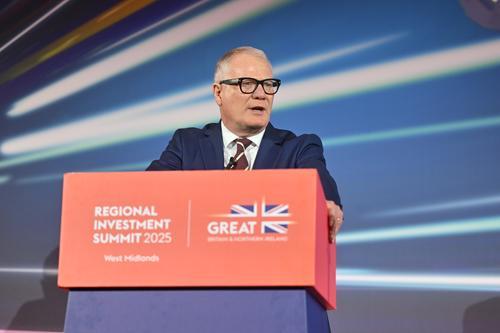
“I firmly support the Chancellor's commitment to fiscal devolution, giving mayors greater powers and financial freedom to shape the future of our regions. This is a generational change in who holds the purse strings and who benefits from the wealth our region creates.
“It's a really simple idea, but it's huge. When businesses in the West Midlands grow, when we create new jobs and when local people earn more, our region should get a greater share of that success. More of the money generated here will stay here, so we can reinvest it in our communities.
“With new Good Growth Funds and greater financial freedom, we can get on with delivering our Growth Plan. Building the homes people need, improving transport, bringing life back to our high streets and giving young people the opportunities they deserve. And we can do it without constantly waiting for Whitehall to give us permission.
“But I also know people need help today. Families across our region are feeling the squeeze, so the £100 energy payment for millions of households this winter with action to bring down energy bills and an increase in the minimum wage and pensions will make a real difference right now.
“I'm particularly pleased to see the Chancellor backing our high streets, with greater business rates relief for small businesses. These are the shops, pubs and businesses at the heart of our communities. And they deserve our backing.
“I'm really ambitious for our region. We have the businesses, the talent and the ideas to lead Britain's next industrial revolution, grow our economy and change lives. What we've needed are the powers and resources to match that ambition.”
Joga Singh, Central Region Market leader and Market Senior partner at PwC UK

“The pace and scale of devolution is significant, and for the West Midlands it creates a real opportunity to put more decisions and investment in local hands.
“The £285mn Good Growth Funds and £1.5bn mayoral financing facility, alongside investment in the Black Country Metro extension, £10m for Stafford Market Hall and an SME business incubation hub, demonstrate the scale of that ambition.
“But greater powers need to be matched by the capability, collaboration and insight to be able to deliver, particularly across the Midlands with its diverse mix of businesses, from entrepreneurs and SMEs to major employers.
“The £150m investment in building capacity and capability across strategic authorities recognises that challenge.
“Ultimately, success will be measured by whether greater local control translates into investment, skilled jobs and stronger growth for businesses and communities across the region.”
Andrew Goodacre, CEO of BIRA

“This Budget has not contained any of the nasty surprises from the past two years.
“In fact, we are pleased to see Small Business Rates Relief increased by 50 per cent, and all other rates increases next year linked to inflation. Bira raised these issues as genuine concerns on several occasions in the run-up to the Budget, and we are delighted that the Treasury has listened.
“This is a real win for independent retailers. We would rather not have seen any increases at all, and we will push for that next year.
“On the negative side, the lack of measures to reduce the cost of employment and energy is disappointing. Increasing the Employment Allowance would have been a real help to small employers, and this was a missed opportunity.
“We support measures to reduce the impact of the cost of living on the general public, and we hope this boosts consumer confidence as we enter the crucial ‘golden quarter’ for the retail sector.”
Iona Martin, tax partner at Bishop Fleming

“Families with substantial pension savings could face a bigger inheritance tax bill than they expect from April 2027, and in some cases, the impact could extend well beyond the pension itself.
“Where someone dies aged 75 or over, pension wealth left to beneficiaries who are not exempt from inheritance tax could face two layers of taxation: inheritance tax when the estate is assessed, followed by income tax when beneficiaries draw the pension.
“Bringing a pension into the estate could also push its value above the £2 million threshold at which the residence nil-rate band starts to be withdrawn, increasing the overall tax bill further.
"The key issue for student loans is fiscal drag. For Plan 2 borrowers, the £29,385 threshold is fixed from April 2027 to April 2030, so as salaries increase, more earnings fall into the 9 per cent repayment calculation.
“For someone already above the threshold, each additional £1,000 of salary results in an additional £90 of Plan 2 repayments. This means that pay rises over the next three years may produce a smaller increase in take-home pay than the headline salary increase suggests.
"The lifetime impact of this will vary. Graduates who ultimately repay their loans in full may principally repay their debt sooner, whereas borrowers whose balances would otherwise have been written off, face a greater effective lifetime cost."
John Webber, head of Business Rates at Colliers

“The extension of transitional relief /freezing business rates in real terms for another two years for the RHL sector is to be welcomed.
“One of the big winners will be the hotel industry, many of whom would otherwise have seen big rates bills rises due to their large increases in rateable value following the 2026 Revaluation.
“The pubs/ music venues are the biggest winners overall however, gaining the 20 per cent discount and the RHL freeze. Some smaller pubs and shops will also benefit from being pulled into 100 per cent SBRR (small business rates relief) category.
“Whether the Chancellor has done enough to prevent further pressures in the sector however, remains to be seen.
“The losers of this budget will be those who budgeted for the removal of the 1p Transitional Relief Supplement and those who mitigate their empty business rates costs who may now face anti-avoidance legislation in England.
“Added to this, the fact that the overall trajectory for business rates is up, not down, is a worrying prospect for UK businesses and a mistaken belief the golden calf can be milked for ever.”
Andrew Goulter, Wealth Management consultant at Mattioli Woods

“The Autumn Budget brought a mix of relief and new burdens, and the detail will matter.
“Savers will welcome the withdrawal of planned ISA changes due in 2027, meaning the £20,000 annual allowance remains available. Changes to the Lifetime ISA add further complexity and will prompt many people to reassess their strategies.
“Landlords fare worse, facing an extra 2 per cent on their income tax bills. For those with buy-to-let borrowing, already managing high repayments in the current higher interest rate environment, this squeezes net income and may make rental properties a less attractive asset class.
“Businesses face a mixed picture. Potential business rate cuts are offset by a 3.9 per cent rise in the minimum wage, while owners planning an exit will face a reduction in business asset disposal relief.
“So far markets have reacted calmly. With the full documents yet to be published, we will assess client impact once detail emerges.”
David Jackson, centre manager of McArthurGlen Designer Outlet West Midlands

“The Budget was an encouraging step in providing greater certainty to support business investment. The outlook is more positive than negative, and hopefully the Government can continue down this path.
“Greater clarity around corporate tax, energy bills and business rates will help retailers plan ahead and make decisions about investment. The proposed wage increases give businesses clarity, and potentially greater confidence to invest in their operations. The changes to business rates are also encouraging for smaller businesses and independent retailers, helping to support entrepreneurship.
“However, more clarity is still needed, particularly around the longer-term impact of events in the Middle East approach, and the resulting pressure on energy costs. These affect not only the cost of running a business but also consumers’ disposable income and what they can afford to spend. Ultimately, certainty is what retailers need to make confident investment decisions. The more clarity the industry gets, the more chances it creates for long term investments.”
Andy Bostock, Birmingham Office senior partner at KPMG

“Today's Budget announcement on giving mayors a share of locally retained business rates from April 2027, including 20 per cent on future growth, is a welcome step towards giving the West Midlands greater control over its economic future.
“We have long championed the opportunities that greater devolution can bring to the West Midlands, and with our strengths in automotive, advanced manufacturing, technology and professional services, there is enormous potential to build on. Greater financial autonomy could help regional leaders build on existing initiatives like the West Midlands Investment Zone, supporting investment in infrastructure and skills.
“The next step is turning ambition into action, and today’s announcement gives regional leaders greater financial flexibility to deliver, while businesses can play an increasingly active role in driving investment, developing skills and creating jobs.”
“Today's Budget announcement on reducing industrial electricity costs through the British Industrial Competitiveness Scheme will be a welcome boost for manufacturers across the West Midlands, many of whom continue to face pressures from high energy, financing and input costs.
“With our region's strengths in automotive and advanced manufacturing, creating the right conditions for businesses to invest, innovate and remain competitive is critical. Electricity bill discounts of up to 25 per cent for eligible manufacturers from April 2027 could provide some welcome breathing space, helping businesses channel more resources into innovation and growth.”
Simon Crookston, Corporate Tax partner at Crowe

“For most businesses, the first-year capital allowance change from 40 per cent to 50 per cent, while headline-grabbing, will make little difference for most of the UK’s 5.5 million private sector businesses, as they already benefit from the £1 million Annual Investment Allowance.
“However, the reduction in the writing-down allowance rate from 14 per cent to 12 per cent will have a direct impact on existing capital expenditure.
“Fresh hope for the future: the Chancellor’s Founders 10 per cent capital gains tax rate on lifetime gains of up to £10 million is a welcome relief for business founders, although the devil will be in the detail of how many can actually benefit. However, the Chancellor’s reduction in Business Asset Disposal Relief (BADR) from £1 million to £500,000 will be a real disappointment for many owner-managed businesses planning for succession.
“With the conflict in the Middle East and increasing oil, gas and other prices, it is a real shame that the Chancellor did not announce a suite of incentives and investment reliefs to provide a direct boost for the UK's 5.5 million private sector businesses. A reduction in the corporation tax rate would have been welcomed.
Richard Pike, sales and marketing director at Phoebus Software

“The budget was underwhelming where the housing market was concerned. With housing and property making up to 20 per cent of GDP, it’s hard to believe that the government will achieve its aspired-to growth targets without it.
“The new first-time buyer schemes alone cannot achieve the uplift in home ownership without a corresponding increase in supply in first-time buyer houses either through new builds or by making it easier for those further up the housing ladder to move. However successive governments have found this a seemingly impossible nut to crack.
“In positive news for banks, the increased tax surcharge is less that had been expected which is already seen a boost in share price for the biggest banks.”
- What does the Chancellor's Budget mean for your business? Read this comprehensive round-up from the GBCC's Policy team.