Reframing the narrative: Daksha Parekh
As part of International Women’s Day 2026, leaders in Greater Birmingham share their thoughts on the power of reciprocity and support following this year’s theme of ‘Give to Gain’.
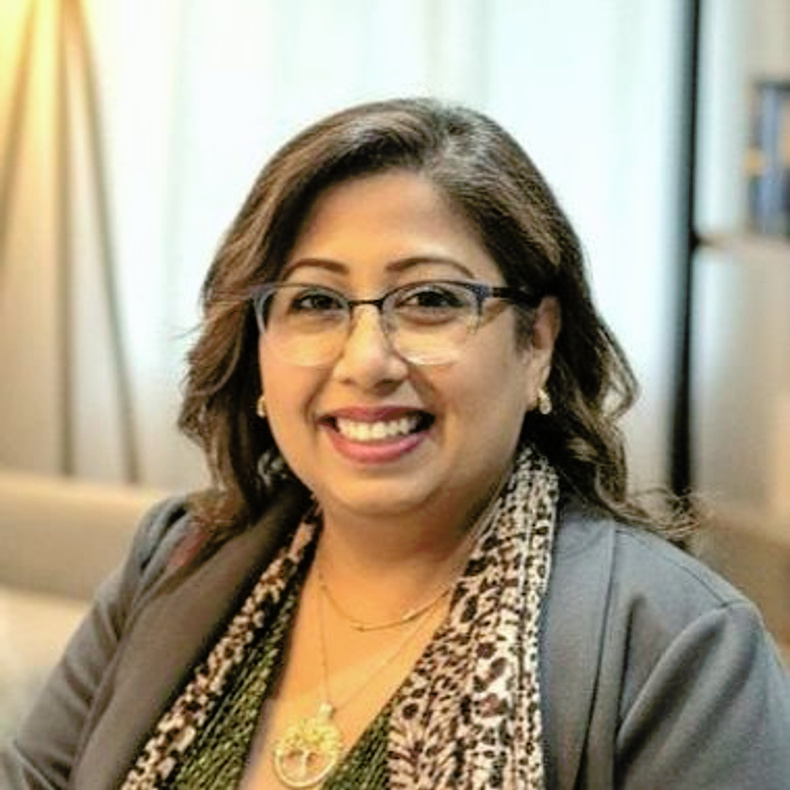
Daksha Parekh, widely known as Chef D, is the operations director of Mahirs Foundation and founder director of The Vital Root Up, a plant-based cooking academy.
She was both the youngest and the only female when she first started her career in hospitality.
Now, Chef D shows how she is reframing the narrative through a range of new initiatives.
What changes would you like to see for women in business in Greater Birmingham?
I’d love to see Birmingham become a city where women in business don’t just participate but lead at scale.
Specifically, I’d like to see:
1 More visible female leadership across industries
Not just in traditionally female-dominated sectors, but in food, hospitality, finance, tech, property, manufacturing, and investment.
Visibility matters. When women are seen leading large ventures and high-growth businesses, it resets expectations for everyone.
2 Easier access to capital and investment
There’s still a funding gap. I’d like to see more investment networks in Birmingham actively backing female founders, and more women in the rooms where funding decisions are made.
3 Stronger mentorship and sponsorship ecosystems
Not just networking events, but structured sponsorship, where established leaders actively advocate for and open doors for emerging female entrepreneurs.
4 A culture shift from “supporting women” to “partnering with women”
The narrative shouldn’t be about helping women catch up — it should be about recognising the economic power, innovation, and long-term value women bring to the city’s growth.
5 More collaboration over competition
Birmingham has huge potential. When women collaborate across sectors — sharing resources, referrals, and platforms — the entire ecosystem grows stronger.
Ultimately, I’d like Birmingham to be known as a city where women don’t have to shrink, justify their ambition, or fight to be heard — but are expected to build, scale, and shape the future of business here.
What is one action you could take to challenge gender bias or stereotypes?
One action I actively take to challenge gender bias is refusing to minimise my ambition to fit in and create a space for other women to do the same.
In practical terms, that means: I speak confidently about growth, revenue, and long-term vision, without softening my language to appear more ‘likeable’.
I make sure women are in decision-making rooms, not just support roles.
When I see a woman’s idea being overlooked, I amplify it and give credit clearly.
I challenge subtle bias in real time, especially when it’s disguised as ‘banter’ or ‘culture’.
Bias isn’t always obvious. Sometimes it shows up in small ways, like who gets interrupted in meetings, who gets funding more easily, or who is called “aggressive” instead of “assertive.”
So the action I take is consistent visibility and advocacy. I model leadership without apology, and I use the self-confidence and influence I have to open doors, not just walk through them.
What is the biggest challenge you have faced as a woman in business and how did you overcome it?
One of the biggest challenges I’ve faced as a woman in business has been building a career in the food and hospitality industry — which is still very male-dominated — while also coming from a cultural background where women are traditionally expected to prioritise home over leadership.
In hospitality, especially in kitchens and operational roles, leadership has often been male-led.
I’ve walked into rooms where I was the only woman at the table, and 25 years ago, the youngest in the room.
There were moments where my authority was questioned or where I had to work twice as hard to be seen as capable rather than just passionate.
At the same time, culturally, there can be unspoken expectations, that women should focus on being homemakers rather than business owners or leaders.
So in many ways, I wasn’t just challenging industry norms, I was challenging generational beliefs.
I overcame that by:
1) Letting my work ethic and results speak first. In hospitality, performance is visible in tenacious consistency, adherence to standards, and growth.
2) Building confidence through competence. I made sure I understood every part of the business, from operations to finances.
3) Redefining what leadership looks like. I didn’t try to lead like the men around me. I feel proud of building my own style, grounded in resilience, empathy, and high standards.
Most importantly, I reframed the narrative. I’m not stepping away from my culture, I’m expanding what’s possible within it. I’m showing that women can build businesses, lead teams, and still honour their values.
That’s been one of my proudest achievements. Not just succeeding in business, but shifting perceptions along the way.
This year’s IWD theme is Give to Gain. How will you give back to either your organisation or community to help drive more change?
For me, ‘Give to Gain’ isn’t just a theme - it reflects my journey.
I’ve built my career in a demanding, male-dominated industry, while also navigating cultural expectations that didn’t always see women as business leaders.
The challenges I’ve faced, from being underestimated to balancing responsibility and ambition, have shaped me.
Now, I see success differently. Giving back is not an afterthought; it’s part of my journey and purpose.
This year, I’m committed to giving back in three key ways:
1 Mentorship and visibility
I want to actively mentor young women — especially those from similar cultural backgrounds — who may not see business ownership or leadership as an option for them. Representation changes belief systems. If they can see it, they can become it.
2 Creating opportunities within my industry
Through hospitality, I want to open doors, whether that’s offering training, teaching, work placements, or guidance to people who are struggling, rebuilding, or trying to find direction. This industry gave me a platform, and I want to extend that platform to others.
3 Supporting people who are suffering quietly
Coming from a community-focused culture, I understand that many people carry challenges silently, whether health, financial, emotional, or personal.
I want to use my knowledge, expertise, voice, and business network to support initiatives that help those who don’t always ask for help.
To me, “Give to Gain” means that when we lift others, we don’t lose power - we multiply it.
The more we share knowledge, opportunities, and compassion, the stronger our organisations and communities become.
And for me personally, the greatest gain now isn’t just growth - it’s impact.
What’s one piece of advice you would give to women looking to succeed in your industry?:
My advice would be: master your craft and don’t shrink your ambition.
Hospitality is a tough industry. It’s fast-paced, high-pressure, and still largely male-dominated in leadership. So competence is your power. Learn every part of the business—operations, finance, customer experience, and team management. When you truly understand your craft, confidence follows naturally.
Secondly, don’t feel you have to tone yourself down to fit in. You don’t need to be louder than everyone else. Just be clear about your standards, your vision, and your value.
There will be moments when you’re underestimated. Use that as fuel, not frustration. Let your craft, consistency, work ethic, and results speak.
And finally, build relationships. Hospitality is built on people. The right mentors, peers, and supporters will make the journey less lonely and far more powerful.
You can honour your background, your femininity, and your ambition, all at the same time. They are not opposites. They are strengths.
How has being part of GBCC helped support your business or career?
Being part of GBCC has supported my business in a very tangible way — through meaningful connections that have led to real collaboration.
Last year, through an introduction made by the director of ABCC, I was connected with another business leader. What started as a simple introduction has now evolved into a genuine business collaboration.
What makes this partnership powerful is that it represents a true female and male collaboration — built on mutual respect, complementary strengths, and shared values.
Rather than competing or operating in silos, we’ve recognised what each of us brings to the table. Where one of us is strong strategically, the other brings operational depth. Where one has reach, the other brings community connection.
More importantly, we realised very quickly that our vision and mission aligned, particularly around giving back and supporting the community.
That alignment has allowed us to build something that isn’t just commercially focused, but purpose-driven.
GBCC created the environment for that introduction to happen. It wasn’t just networking for visibility; it was networking with intention. And for me, that’s where the real value lies.
It has reinforced that when the right people are connected in the right rooms, collaboration becomes growth, not just for our businesses, but for the wider community we serve.