The Griffin Report: Botanical Gardens head off £19.45m project to preserve 200-year history
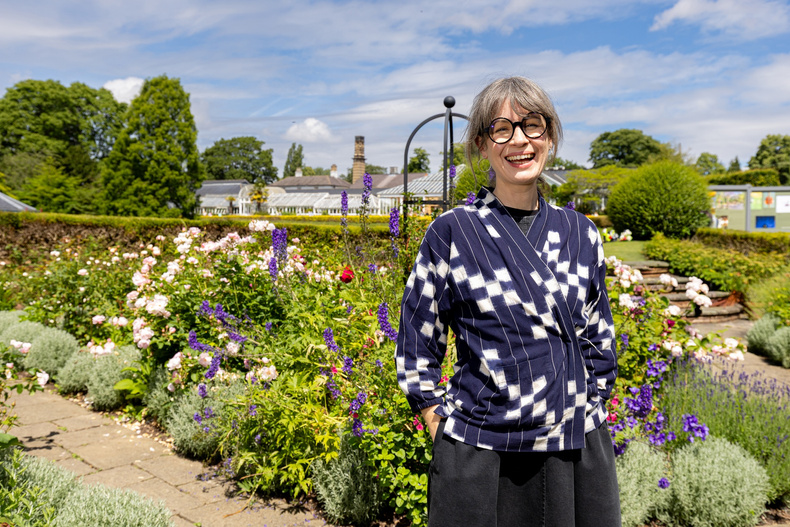
THE BOTANICAL GARDENS have been treasured in Birmingham for nearly two centuries. But they are now in the early stages of their biggest change – a £19.45m four-to-five-year capital development to restore the Grade Two listed historic glasshouse estate to its former glory. JON GRIFFIN met JEN RIDDING, the head of engagement and learning, to discover how this delicate project will unfold.
It’s Birmingham’s “garden for everybody” – a much-loved slice of tranquility just over a mile from the city centre which has delighted nature-lovers young and old for nearly 200 years.
Birmingham Botanical Gardens (BBG) can reasonably lay claim to being just as much a part of the city’s history as Rover or Cadbury, Ozzy Osbourne or Crossroads, or indeed any Brummie cultural icon of the past two centuries.
It’s a 15-acre Grade Two listed green oasis in suburban Brum which has stood the test of time for very nearly two centuries, with a colourful CV which belies today’s peaceful haven for more than 30,000 global plants which attract over a quarter of a million visitors to Edgbaston every year.
Its story embraces a genuine world exclusive – a surviving tree fern with roots literally dating back to the late 19th century which has no equivalent anywhere on the planet – alongside a bear, an alligator, llamas, a seal living in a fountain, monkeys and other 19th century distractions for Victorian day-trippers.
As Jen Ridding, the Botanical Gardens’ head of engagement and learning, says: “The whole story is really fascinating. It’s a story of independent spirit, of changing to survive so long, of being embedded in the city and the community, of being part of people’s lives and the social fabric of the city.
“To think we have got this far – and now we have this incredible opportunity to set ourselves up and frame ourselves for the 21st century. It is quite amazing.”
That extraordinary back story – with the world-famous Latham’s Fern, bear, alligator et al – has now reached a critical juncture. The BBG has never closed since first opening its doors on Edgbaston farmland back in June 1832, surviving world wars, Birmingham’s growth as the workshop of the world and subsequent industrial decline, Covid, the Internet era and much else.
But it is now in the very early stages of its biggest change in two centuries – a Growing our Green Heritage project, a £19.45m four-to-five-year capital development to restore the Grade Two listed historic glasshouse estate to its former glory.
As Jen explains: “This is a once in a generation project to set the gardens up for its next 200 years. It is effectively a project to reframe and reset the gardens for the 21st century.
“We’ve got four listed glasshouses which are a really good example of Victorian glasshouses but they are at risk because the physical infrastructure will not last longer than the next few years.
“The gardens had got to a point where the financial model and the business model didn’t work. It wasn’t fit for purpose for the 21st century. We would have had to close the glasshouses because they wouldn’t have been safe within a few years. It’s really important that we save that heritage for future generations, conserve it, give it a new life.
“We knew that the heritage was at risk. Effectively if we didn’t make a radical transformation or intervention the business model didn’t stack up and the gardens would have closed. Without the glasshouses we can’t be a botanical garden.”
Jen highlighted the vastly improved accessibility for visitors the heritage project will ultimately provide.
“At the moment the visitor flow can be really challenging so they can get very busy. They get really hot and humid and not everybody responds well to that.
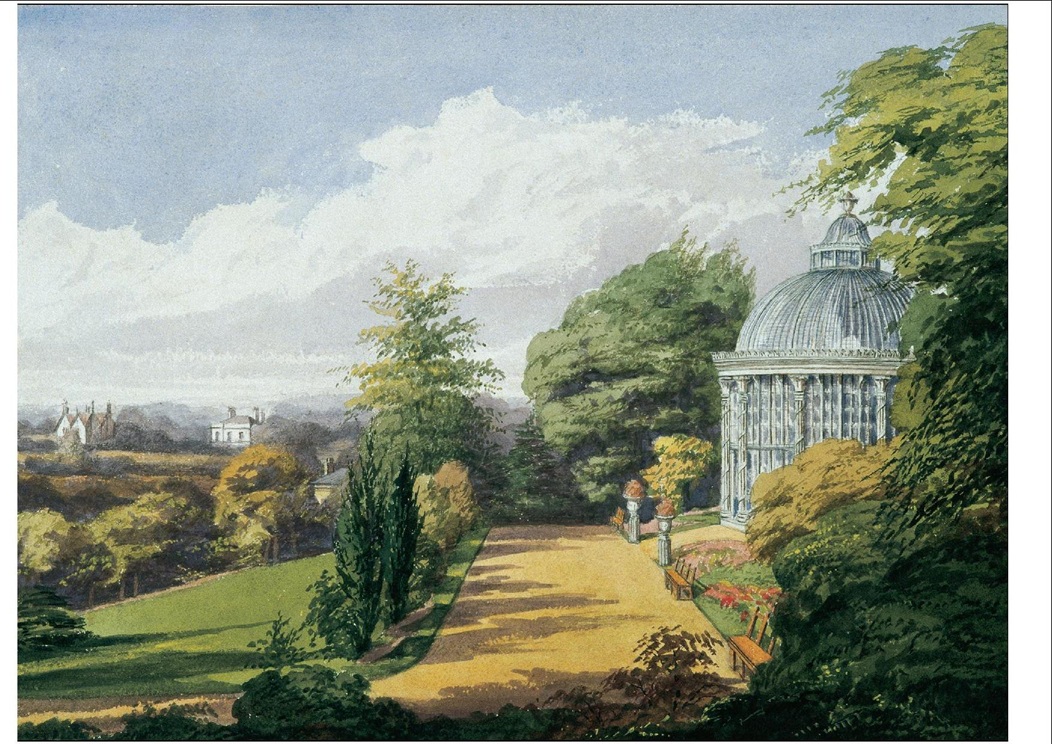
“But it is the only way into the gardens whereas this project will mean that we have different routes so you can choose when you want to go and enjoy the glasshouses – and then other visitors can go a different way.”
As the Gardens, its 4,000 plus members and quarter of a million plus annual visitors prepare for the most crucial transformation in its history - backed by a major grant from the National Lottery Heritage Fund - Jen is keen to stress that the Edgbaston site will remain open throughout the four to five-year refurbishment, in keeping with its proud near 200-year track record.
“We will remain open throughout for a number of reasons, the primary one being that we know how important we are for the people of Birmingham. The gardens have never closed in its history.
“We did receive some damage in the war. There’s a basement under the bandstand on the main lawn which was actually used as an air raid shelter – but we remained open throughout.”
The Gardens’ war effort is just one example of its colourful history as a much-loved Birmingham landmark spanning the centuries all the way from the Victorian era to the digital age.
Says Jen: “The Botanical and Horticultural Society was founded in 1829 with the explicit objective to establish a botanic garden for the city. Like all visitor attractions even today, they had to balance the books.
“They were always thinking about visitor footfall and the bottom line. So they made a decision to introduce a menagerie to drive footfall and keep visitors coming.
“We had a bear, we had an alligator, we had a seal who lived in the fountain, we had monkeys, we’ve got photos in the archive of llamas on the lawn. Some of our visitors or loyal members will probably remember the caged bird population – we re-homed those in 2024 because we’re not a bird sanctuary and we knew they could have a more enhanced quality of life and care.
“We also have a tree fern in the palm house, the only one of its type in the world. It was hybridised here in the late 19th century, has lived here ever since and is the only one of its type in the world.” The hybrid fern was created by William Latham, then curator of the Botanical Gardens and is called Latham’s tree fern.
The Gardens’ unique fern will eventually be joining its 30,000 neighbours for the move to the refurbished glasshouses in tandem with the heritage project.
“It’s a big logistical jigsaw. We are having to move all the plants – some of them can only be moved at certain times of the year. They’re living organisms, fragile, delicate. We’ve got an immense project at the moment behind the scenes – and our brilliant team of senior horticulturalists are working on it.”
And the 30,000 plants are not the Gardens’ only attraction. “We have an outdoor cinema, outdoor theatre. We have activities for family and children to get involved in nature engagement and exploring biodiversity in the gardens. We also run our own commercial and events business in-house now.
“To have an independent charitable botanic garden that has survived this long in Birmingham I call a miracle survival – and I don’t think that’s an exaggeration.”
This article first appeared in the July/August 2026 edition of Chamberlink magazine.
Read the digital edition of the magazine.