The Griffin Report: How Black Sabbath turned Birmingham into the people's home of ballet
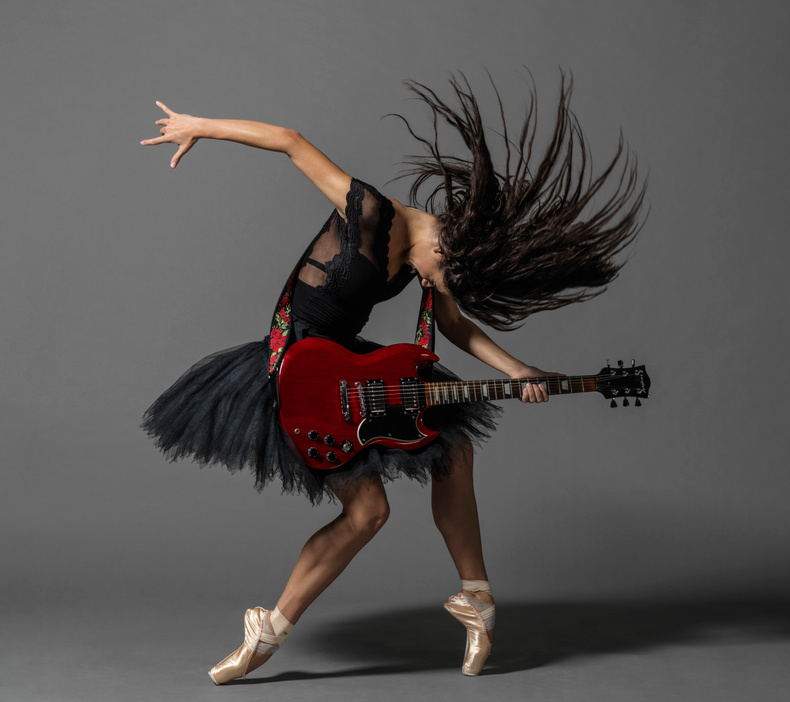
It’s an unlikely turnaround for the Birmingham heavy metal rock band, but Black Sabbath are now credited with bringing ballet to “everyday people”. PAUL JAMES, the new boss of Birmingham Royal Ballet, says the sell-out Black Sabbath The Musical is responsible for widening the appeal of ballet and here he tells JON GRIFFIN how that happened.
Birmingham Royal Ballet is set to rock audiences like never before in nearly 100 years of artistic stagecraft - as Black Sabbath The Ballet comes home to the city that invented heavy metal.
The Royal Ballet, an acclaimed cultural fixture in Birmingham since the London-based Sadler’s Wells ballet company moved to the city in 1990, is celebrating its fastest-selling show following a sold-out premiere in 2023 and a string of successful dates in Europe and the USA.
The Black Sabbath spectacular comes home to Birmingham Hippodrome from 18 to 27 September before other UK dates in Salford, Plymouth, London and Edinburgh in October and November.
And Birmingham Royal Ballet CEO Paul James said the success of the Black Sabbath production reflected the talents and skills of a world-class touring company which battled back from Covid to strengthen its place on the global stage with the support of many loyal Midland ballet-lovers.
Paul, who took over at the helm following the death of previous CEO Caroline Miller last December, told Chamberlink: “What I love about this company, and what I love about Birmingham is that our supporters are everyday people. It’s not an elite group of uber-wealthy people sitting in Monte Carlo.
“Most people I speak to in Birmingham are very proud of their ballet company. They recognise who we are and you look at the critical response. We have this amazing company and within the world of ballet, Birmingham Royal Ballet is incredibly well regarded.”
The long-standing public acclaim for the city’s Royal Ballet, patrons of the Greater Birmingham Global Chamber of Commerce, was mirrored by the worldwide fervour for Black Sabbath – the Musical, the company’s fastest-selling production of all time, an idea first mooted by director Carlos Acosta when he arrived in Birmingham in January 2020 just before the first Covid lockdown.
Paul says: “It’s certainly our fastest-selling show. It’s extraordinary but actually some of our shows are 50 or 60 years in existence. It’s hard to say that it’s the most successful ever when you compare it to the Nutcracker, which has probably had over a million people see it.
“Black Sabbath-the Musical sells incredibly well and talks to a really wide audience. It attracts ballet fans because it is a work of contemporary ballet with three amazing choreographers involved in creating it.
“But obviously you also get Sabbath fans, rock fans. It’s a new thing entirely, not a jukebox musical. And it’s also about Birmingham, and why Black Sabbath and why heavy metal evolved here. And that’s really at the heart of the story.”
Birmingham Royal Ballet’s Black Sabbath production will be followed by the Nutcracker before Christmas and Don Quixote next spring – as the touring company prepares to meet the challenge of rising inflation and a tripling of operating costs.
Paul said a range of costs, from accommodation to storage and feeding dancers on tour, had increased “exponentially”, while annual turnover for the 180-strong company had risen to around £17m.
“How do we tackle that? We have to continue to put on exciting, engaging, world-class art that has relevance, draws people in so they’ll continue to buy tickets and come to shows and tell our story across the community so people continue to support us.”
Paul said he was optimistic for the future of the Birmingham company in a digital era of ever-expanding cultural choices for new generations. “The thing that frustrates me sometimes in the conversations you have within the arts in general is this thing about you’ve always got to attract a new generation.
“Successful art has always attracted a new generation, otherwise it wouldn’t exist. We have people who have been supporting us for 50 years – they’re now in their eighties but they started when they were in their forties. People come to ballet at all points in their lives – if you look at our demographic, across all of the shows, we have young families, we have all sorts.”
He said the Royal Ballet audiences were not people “wearing tiaras and black tie”.
“This isn’t a 1960s movie. If you want to see Don Quixote coming up in the spring it’s perhaps not a title that trips off everybody’s lips but it is the most extraordinary, joyous, bright, colourful, dramatic production. You won’t see better whether you are in New York, Paris or Moscow.”
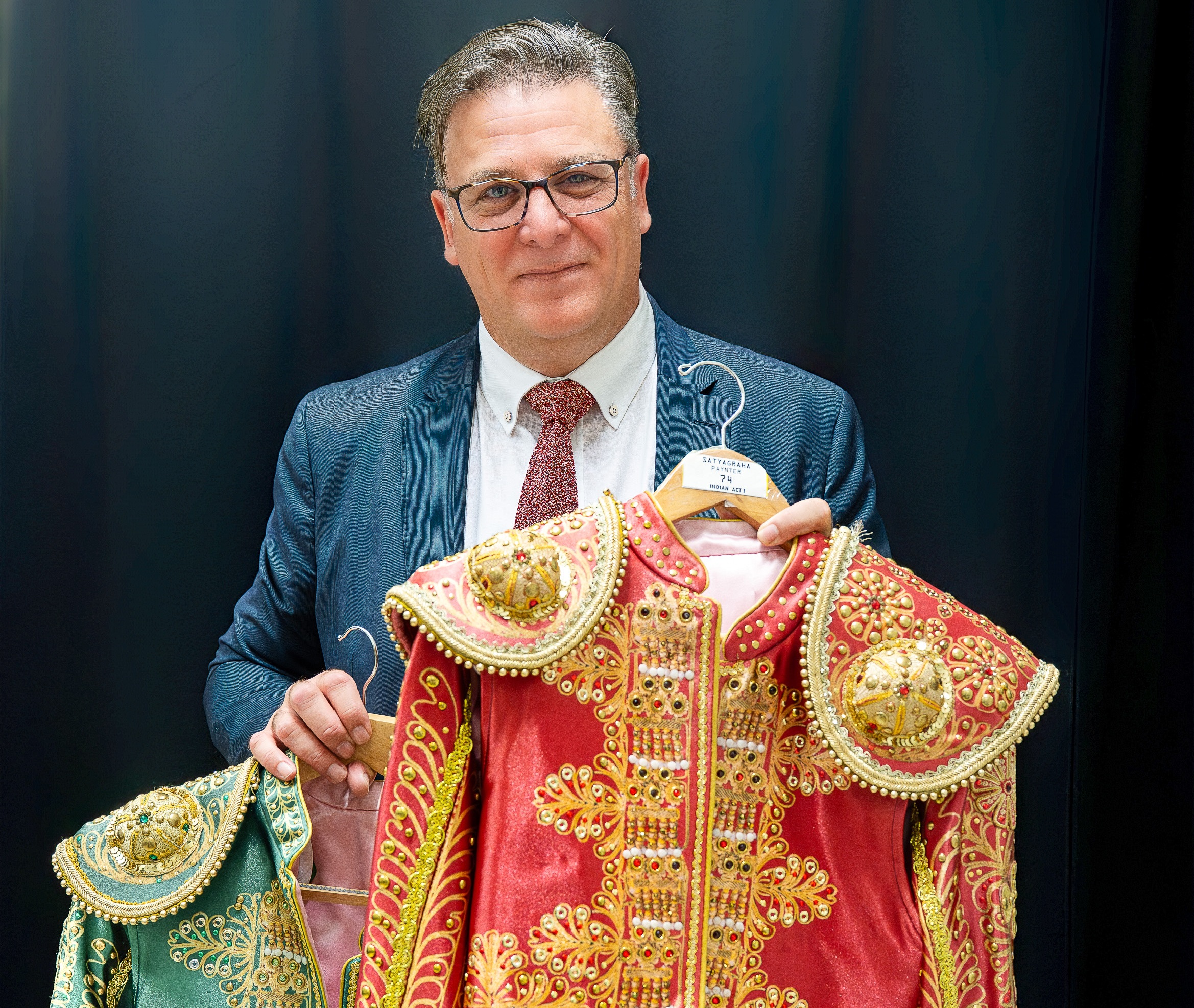
Paul said the Royal Ballet was also a recruiting organisation for a variety of non-dance roles, from wig and costume makers to lighting designers, lighting engineers, stage crew and other crafts, with a careers programme especially aimed at young people from 16 to 24 launching in September.
“For everybody that’s on stage there’s somebody behind stage making this happen. We’re always looking to make sure that we’ve got the next wave of talent coming through to take on those roles. These are really good careers in theatre that can support people for their whole lives – we have three accountants but they live in a world of ballet, dance and theatre.”
Meanwhile, the Birmingham company has proved an invaluable finishing school for promising new dance talent with its BRB2 arm, featuring some of the best young ballet graduates from throughout the world.
“You have this development of great young dancers. We’ve had dancers go to Paris, Munich, Berlin, all over the world because they’ve had this incredible training.”
“My analogies are always to do with football, rugby. You build an academy – you can’t sell anybody for 50 million quid but what you do enhances the dance world and our own reputation.”
This article first appeared in the September 2025 edition of Chamberlink magazine.
Read the digital edition of the magazine.