The Griffin Report: Property experts on why the future is bright for Birmingham

The current image for outsiders looking at Birmingham is financial strife and bin strikes. But two property experts in the city, GREG COLLINGS and ARTHUR MORGAN, see a city on the cusp of a post-Covid renaissance that will generate a string of multi-billion-pound developments. JON GRIFFIN spoke to the FISHER GERMAN executives about how they are working to reverse those negative vibes.
“The future is bright – the future is Birmingham’s…there is an exciting outlook for the city and lots of opportunities, we have just got to unlock them.”
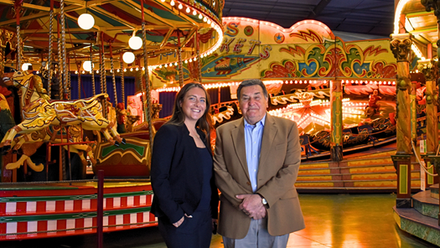
The upbeat message comes from Greg Collings, associate partner at Colmore Row property consultancy Fisher German, a planning expert who in his own words has been working “in and around the city for more years than I care to remember”.
Greg and Fisher German partner Arthur Morgan were both attendees at a roundtable event chaired by Birmingham City Council leader Councillor John Cotton – a gathering which showcased the vast range of large-scale regeneration schemes on the horizon across the city.
Both property experts sat down with Chamberlink to highlight the continuing renaissance of the Midlands capital discussed at the roundtable – with tens of thousands of jobs in the pipeline as Birmingham battles to reverse negative narratives centred around Birmingham City Council’s financial plight and the bin strikes.
And while the fallout from the council cash turmoil and the still unresolved bins dispute understandably remain in the public arena, there’s another often-overshadowed story of economic growth and regeneration – as the Fisher German duo can relate.
Says Arthur: “There is so much that people from outside Birmingham do not see. All they think about is the council being in significant financial difficulties and the bins – they don’t appreciate the immediate working environment.”
That environment is on the cusp of a major post-Covid resurgence which will bring a string of new developments to the largest city economy outside London, with Brum contributing 40 per cent to the West Midlands economy.
The council leader’s roundtable shone a spotlight on an array of multiple large-scale regeneration projects including:
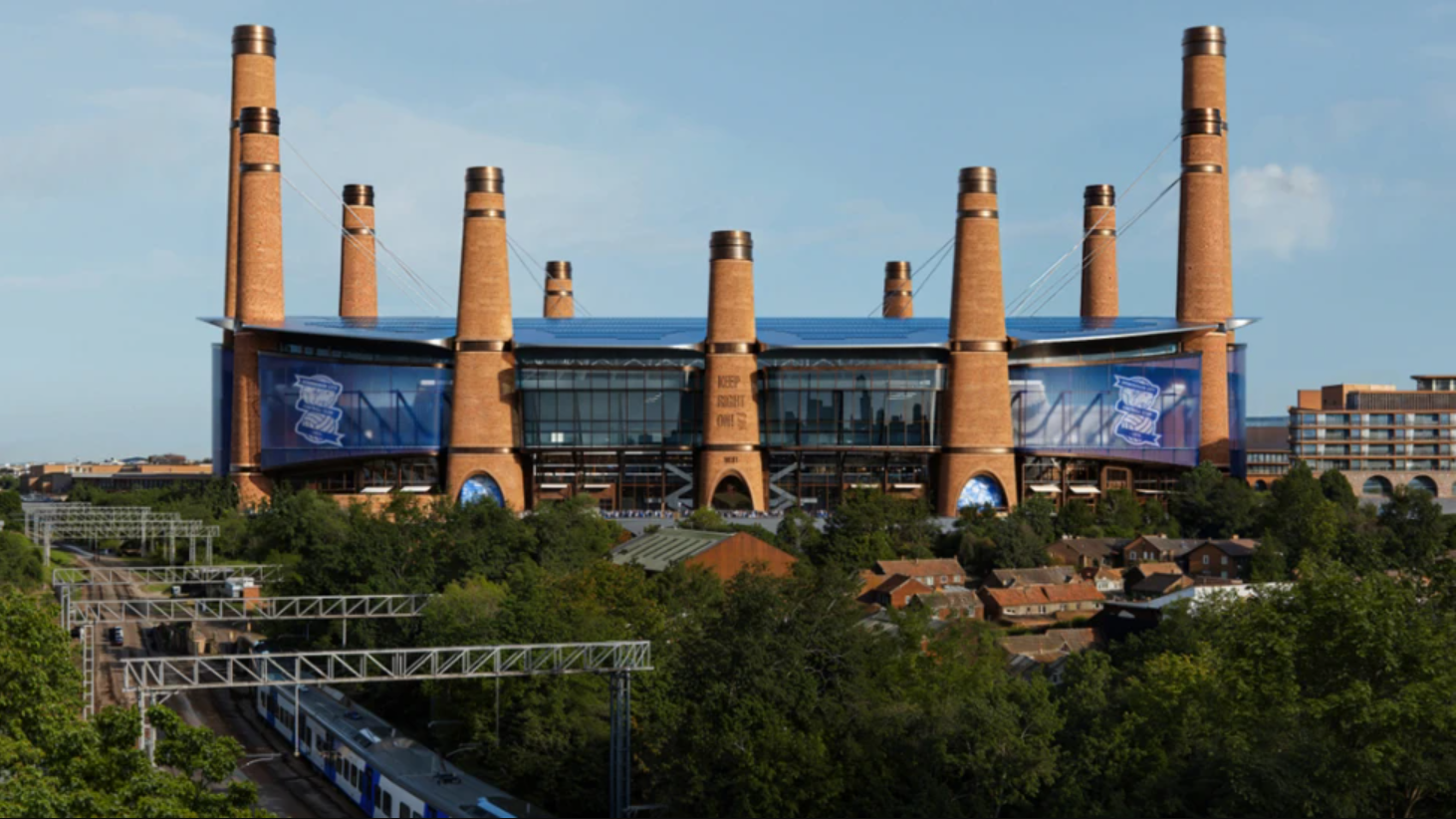
- The Sports Quarter centred around Birmingham City’s new 62,000-seat stadium backed by £3bn of investment, creating 8,400 jobs and transforming the East of Birmingham.
- The Knowledge Quarter around Aston University and Millennium Point – delivering an estimated 20,000 jobs and a 4,000 home eco town.
- The Health Innovation Campus in Selly Oak, a £210m project providing state-of-the-art lab facilities, office and innovations space and up to 10,000 new jobs.
- The Smithfield, Ladywood Estate Regeneration Scheme delivering 12,000 new homes in the heart of the city alongside improved infrastructure, public spaces and community facilities.
- Regeneration schemes at Digbeth – including the Beorma Quarter development in the heart of the district offering luxury and boutique stores and 125,000 sq ft of office space – Druids Heath and the Langley development, delivering tens of thousands of jobs and new homes.
Greg told Chamberlink: “You can see transformation and constant evolution as each year passes, more and more developments occurring. It was very evident when we attended the roundtable event that key developments are being brought forward and pushing ahead.
“I think that HS2 is going to be key to unlocking private investment and housing development – that will really ramp things up but we are not quite there yet.
“There is so much potential in the whole east side of Birmingham waiting to be unlocked – it will really ramp up and transform that area.”
Arthur said: “There’s the Knowledge Quarter and the Gateway by which most people drive into Birmingham. Curzon Wharf is the big one planned right next to the Aston Expressway which would be a major improvement on what is currently there. Smithfield is a massive development that will bridge the gap between the city centre and Digbeth.”
Both property experts stressed that the glut of new developments were largely public sector projects – and called on private developers to join the clamour to build across the Birmingham skyline.
Said Arthur: “It would be good to see a few more private sector sites being delivered by private developers that speculatively want to choose Birmingham as a location where they want to build for sale, to rent or build affordable schemes.
“At the moment if you look around Birmingham all the cranes are pretty much on the back of public sector funded schemes, which is a positive thing. But I guess you wonder why aren’t we attracting the private sector in the same way that London obviously and Manchester - where there is a huge amount of development - are.”
Greg said the continuing growth of Birmingham would be helped considerably by a more streamlined planning process. “The National Planning Policy Framework is under review and out for consultation. The planning process in itself is quite cumbersome and slow so it takes time for these projects to build through.”
Arthur said the potential for adding to the boom by redeveloping other Birmingham sites was considerable – particularly car parks. “The opportunities are there – there are car parks that could be repurposed into new development sites, creating jobs and new homes.”
Greg added: “I definitely think that there has been a bit of a historic stigma around Birmingham and its perception. If people who haven’t previously visited Birmingham were to come, they would have a different perspective.
“The Commonwealth Games certainly helped change the narrative. We have got the Euros and the Invictus Games coming up – we really need to shout about these things.”
Said Arthur: “These things put us on a world stage – they are opportunities to elevate our status. We should – and hopefully in time will – attract private development, the platform is there.”
Both agreed that investment in the region would also be boosted by Birmingham Airport’s recently announced plans to restore flights to New York. Said Greg: “Restoring connectivity to New York will absolutely help tourism and investment opportunities and everything else.”
A partnership approach to further growth involving the likes of the council, businesses, Homes England, the Combined Authority, universities and community groups was essential. Said Arthur: “It has to be done in partnership with the Council, the Combined Authority etc. The hard thing is making all these things in harmony – working together is tough.”
They said more housing was urgently required alongside the development boom. Said Greg: “The Government is pushing for millions of homes to be delivered so we have got to turn around and get them built quite quickly.”
Arthur concluded: “We definitely feel that we are on the way up – we have got to keep that momentum going.”
This article first appeared in the April 2026 edition of Chamberlink magazine.
Read the digital edition of the magazine.
Pictured (top): Arthur Morgan and Greg Collings