
The hidden risk behind commercial bins
Written by SUEZ in the UK
Most businesses worry about what goes into their bins. Very few stop to think about who might be climbing into them after hours.
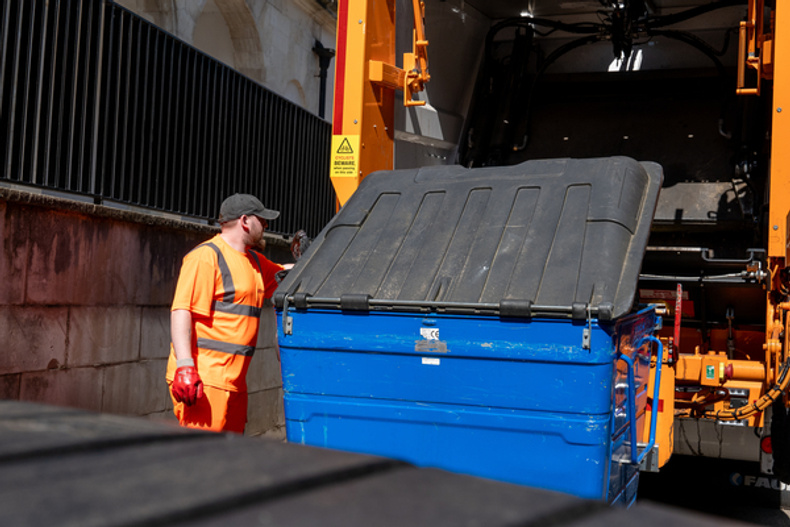
But according to a recent SUEZ recycling and recovery UK piece, ‘Sleepers in bins: The risk we don’t always see, but can’t afford to ignore’, larger, more commercial bins and containers can sometimes become places of shelter, something collection crews may only discover moments before a container is emptied.
Preventing serious harm or loss of life is of utmost importance. If someone is inside a container when it’s emptied, the consequences reach far beyond a single moment. Lives are changed instantly. Families are affected forever. Businesses’ reputation could be put at risk. And for collection crews, the emotional impact can last a lifetime.
No one comes to work expecting to be part of something like that. And no business or community would ever want to feel they could have done something differently, however unintentionally.
The article highlights how difficult these situations can be for crews, particularly during early morning collections or in quieter service areas where visibility is limited. In some cases, there may be visible signs that someone has been sheltering in or around a container, such as personal belongings or bedding nearby. In others, crews may have no indication at all before a collection takes place. That can create a serious risk if a container is lifted and emptied before someone is spotted.
It is also a reminder that waste areas are still part of the wider working environment. While collection crews follow safety checks and procedures, businesses can help reduce risk by paying closer attention to how bin stores and collection points are managed, especially outside normal operating hours.
Something as simple as keeping waste areas well lit, securing bin stores and locking containers where appropriate or flagging concerns early to waste providers can help to make collections safer for everyone involved.
It’s very important to strengthen communication between businesses and waste collection teams. Site layouts, access points and waste areas may feel routine to those who work around them every day, but small changes or concerns shared early can help crews work more safely and confidently on site.
Materials that promote best practice, encourage simple preventative steps and help bring the issue to life are good to have as this strengthens the health and wellbeing of everyone. These actions, no matter how small, matter whether it’s keeping the lid closed or securing your premises, as well as just taking time to look for signs that something isn’t right.
Make it a habit to think about the bins and containers in your workplace and even in your larger community. Keep asking the right questions: Are these bins secure? Are they accessible overnight? Could someone climb into them without being noticed? Vigilance is essential.
The Environmental Services Association and the Health and Safety Executive websites, for their part, are helping to raise the profile of the risk and reinforce consistent safety messages. Businesses are encouraged to explore and share these resources found at the ESA website to build greater awareness.
Because behind every collection route is a shared working environment. The more businesses and waste collection teams understand how those spaces are used, especially outside normal hours, the easier it becomes to spot risks early and help keep people safe.