
The irony of the pleasure–pain continuum: Why do we wait until it hurts to act?
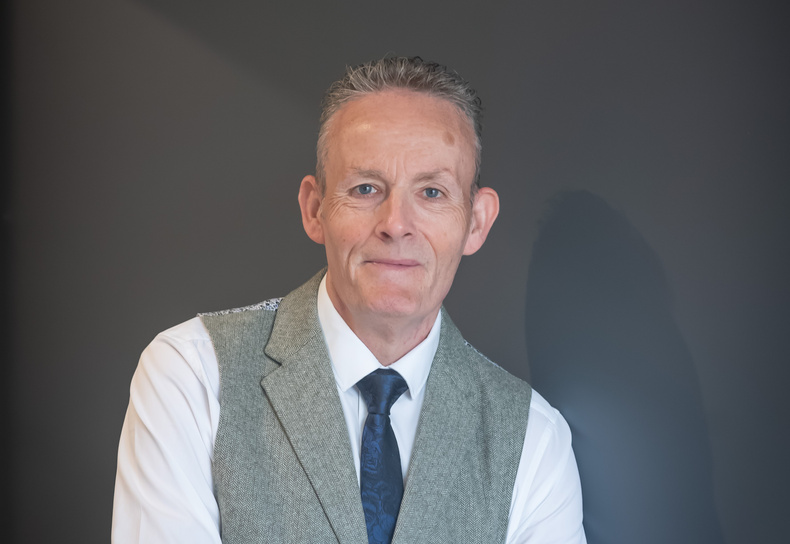
Written by Anthony Murphy (pictured) from Veritas Facilities Management
Veritas Consultancy repeatedly encounters a behaviour in Facilities Management (FM): customers often recognise something is wrong long before they decide to address it.
They can see their estate deteriorating, understand that maintenance is being deferred and sense that their operating model is no longer delivering what the organisation needs. Yet rather than confront those realities, they stick with familiar arrangements and hope the situation will remain manageable.
It is not necessarily a question of indifference. Acknowledging the problem may mean accepting the scale of the investment required, questioning previous decisions or initiating a difficult conversation with colleagues and stakeholders.
Avoidance offers immediate comfort, particularly when budgets are tight, and priorities compete. Unfortunately, that comfort is often purchased at the expense of a much more difficult future.
This is the irony of the pleasure–pain continuum. We tend to move away from discomfort, but in FM the decision to avoid today’s pain can magnify tomorrow’s.
Assets continue to age, the maintenance backlog expands, reactive costs rise, and the customer's options narrow. The consequences of doing nothing become harder to tolerate than the prospect of taking action, and that is often when customers finally seek external support.
By then, what could once have been a manageable improvement programme may have become a complex recovery exercise. I see customers arrive at that point knowing, deep down, that the warning signs were present much earlier.
The challenge is therefore not only to determine how to resolve the immediate problem, but to understand why the organisation allowed it to develop and how to prevent the same pattern from recurring.
This is not an invitation to apportion blame. It is an argument for more honest conversations about risk, investment and the cost of delay. A decision to do nothing is still a decision, and it should be tested as rigorously as any option for change. If we want more resilient estates and better FM outcomes, we need to make it easier to raise uncomfortable issues while there is still time to address them sensibly.
In facilities management, keeping our fingers crossed is not a strategy. The real opportunity is to act when we first recognise that something needs to change, rather than waiting until the pain of inaction leaves us with no alternative.