Unlocking Staffordshire: Why clarity is the missing piece in Staffordshire’s growth story
Staffordshire is a county of opportunities. From areas of natural beauty in Cannock Chase to the rich brewing history of Burton, the county has everything in its palm to attract a diverse footfall.
There is much to celebrate, potential investors to inspire and moments to seize.
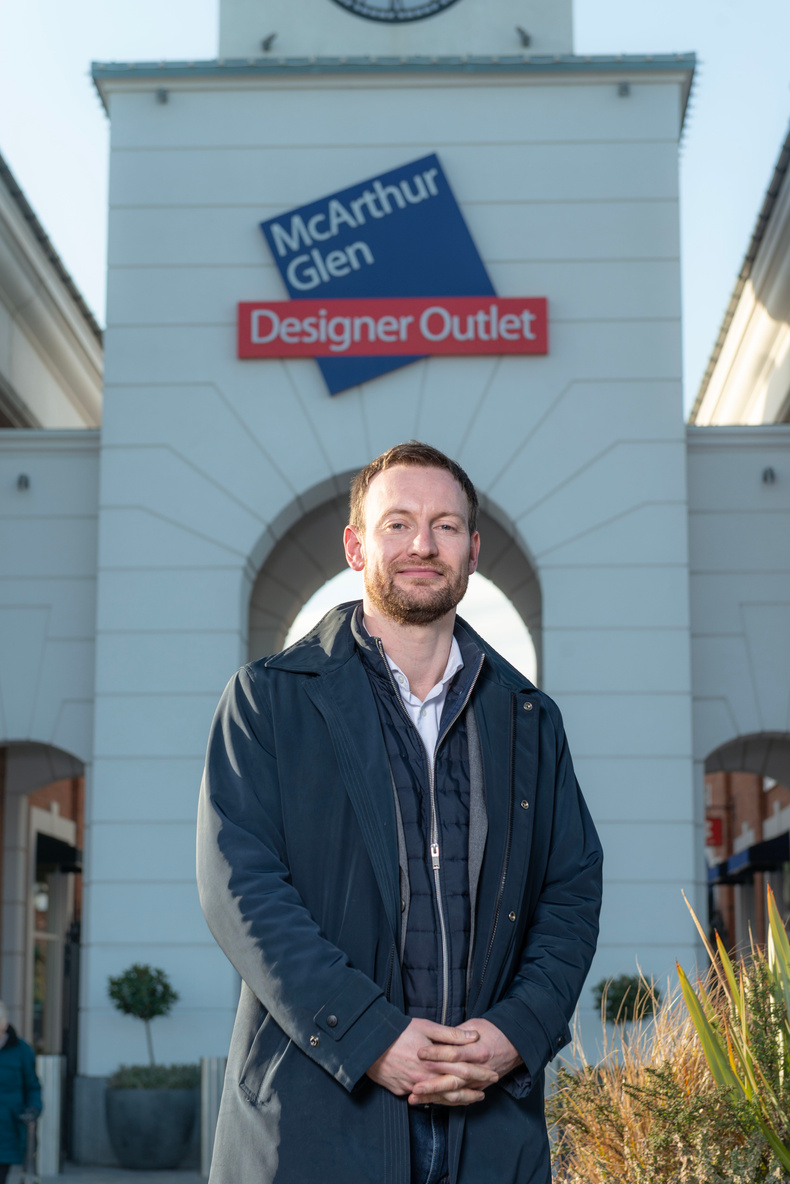
And David Jackson (pictured), centre manager of the McArthurGlen Designer Outlet based in Cannock, is quietly optimistic.
David and the designer outlet lie at the centre of Staffordshire’s visitor economy, offering deals up to 60 per cent off across a fully let 75 stores. These include brands such as Polo Ralph Lauren, Calvin Klein, Nike, and Boss.
According to David, a strong visitor economy needs to develop and thrive over time – something that McArthurGlen has been able to do.
The outlet now has an average dwell time of an hour and a half, a major increase from 2022. This signals that McArthurGlen is becoming a destination venue for Staffordshire rather than a stop off.
Dave is convinced that this is a positive stepping stone for the region: “As you become a destination, you naturally start attracting people from further afield. Visitors are more willing to travel longer distances if they know there’s enough to do, see and experience once they arrive.
“Ultimately, a successful visitor economy is one where collaboration drives repeat visits, longer stays, and delivers real economic benefit for the whole region, not just individual sites.”
The way forward is collaboration with a unified effort from hotels, retailers and shopping centres, cultural venues and the council. Different entities working together for a shared vision.
For David, this clarity of whom does what is the biggest barrier hindering development alongside the absence of a clear framework.
David said: “We are often unclear who is championing Staffordshire, or who is ultimately responsible for driving its great benefits and location forward. There needs to be a clear understanding of who is leading, and who can channel and measure progress.
“Having a clear framework for how things will work is key to unlocking further growth. Without that structure, it becomes very difficult for businesses to engage with confidence.
“We genuinely don’t know what’s happening around us. I’d love to know what hotel developments are coming. I’d love to know if a science park is being built. But the reality is, we don’t know.
“And without that visibility, we can’t plan future investment properly. Uncertainty makes long-term decision-making incredibly difficult.
“We’ve wanted to expand McArthurGlen by launching a phase two development process for some time. Planning restrictions have been a challenge but having visibility on what’s happening locally has kept both me and our investors bought into the area and its opportunities.”
Although big retailers can often carry on despite these issues, investor confidence is dipping to establish new businesses - hindering local reinvestment opportunities.
“As humans, we are ultimately averse to risk,” David says.
“If people don’t understand the opportunity or can’t see who else is investing or growing locally, they’re far less likely to take that step.
“I see other areas where new and younger businesses are starting up, and I don’t see as much of that activity here. Theres so much talent in the area, a real entrepreneurial spirit, however many are unsure where to start, and what support is available.”
“It’s about being able to answer a simple question: what does growth look like locally? Until that picture is clear, reinvestment will always feel harder and riskier than it needs to be.
With these lapses around clear and effective communication from authorities, David is curious about devolution coming into place.
“That curiosity isn’t about the idea itself, it’s about how informed businesses feel,” says David.
“It comes back to feeling informed. Businesses need to understand what’s changing, why it’s changing, and how it will affect them. Information breeds clarity, which builds confidence in investment and new business”
“There’s also a geographic challenge. Staffordshire is a long county, with very different places and priorities.”
“My challenge to those involved is making sure all of those voices are heard, and that no one part of the county feels overlooked.
“What we really need is clarity. Clarity on what devolution will look like, when it will happen, and how it will actually work in practice.”
David’s main request to authorities is the need for transparency and a clear roadmap with milestones, timeframes and clarity for the future to instil confidence among investors.
He shares an experience of a council officer who does exactly this: “A really positive example of this working well is the engagement we have through Dean Piper, head of economic development & planning at Stafford Borough Council.
“Every four to six months, Dean updates myself on the economic growth of the area.
“Those updates are genuinely useful. They’re not abstract, they’re practical, and they give us a sense of what’s coming next.
“That kind of visibility allows me to have informed conversations with our investors and wider partners on the opportunities ahead.”
However, these issues aren’t universal, and there are counties in England that has solved these.
Take Chester for example.
The tourism sector for Chester and Warrington recently surpassed £4bn for the first time since the Covid outbreak - recording 59.3 million visitor days in 2024.
The latest STEAM economic impact report reveals the region's visitor economy was worth £4.32bn in 2024, up 10.7 per cent on the previous year and matching the 2019 pre-pandemic figure. Total visitor numbers reached 59.3m, a 5.7 per cent increase year-on-year.
For David, this is because of having a unified approach through clear clarity and messaging: “Everyone knows that Chester is the powerhouse within its local region. People know the races are there, they know there are multiple hotel and accommodation offerings, the colleges, and of course the fantastic leisure and cultural options. The story is simple and well understood.”
“One of Staffordshire’s challenges is that people don’t really know where its centre is. You’ve got Stafford as the county town, affluent areas like Lichfield, and then other parts that are clearly growth areas. It’s a big and diverse geography.”
“I worked in Chester for a long time, and one thing they do exceptionally well is self-promotion. They’re very clear about what they offer and how everything connects.”
“You’ll hear a joined-up story: the races, the designer outlet, the historic city, great leisure, restaurants and amenities. It all hangs together as one place.”
“In Staffordshire, we don’t talk about one place, and as a result, the messaging becomes diluted.”
The designer outlet is doing their part in helping the visitor economy – mainly by establishing recruitment pipelines through partnerships with schools in the area.
McArthurGlen has worked with Cannock Chase High School and Walsall College for many years through the Retail Academy, offering practical workshops and knowledge to students aspiring to starting a career in retail.
David knows the importance of these skills through his own experience, starting his career as a Saturday sales assistant at NEXT over 20 years ago. That role has led him to a full career covering London, Manchester, the West Midlands and overseas.
David said: “I was able to build my career because I realised retail could be a long-term profession. Helping more young people see that pathway is one of the biggest opportunities we have.”
“What we need is more clarity and flexibility around how schools and colleges can work with businesses like ours, or with big employers nearby such as Marks & Spencer. That could be through apprenticeships, levies, industry-led courses, or even simply supporting local school assemblies and careers events.”
“We are proud to call Staffordshire home, however want to see continued growth and creativity develop within the region.
“We have all of the tools and resources regionally to create a fantastic visitor economy, and with it, employment opportunities for our future generations”
Staffordshire does not suffer from a lack of belief. Businesses are here for the long term. Investors are willing to stay engaged. Young people still want careers that stretch beyond their postcode. What is missing is not energy, but alignment.
If devolution is to mean anything for Staffordshire’s visitor economy, it must begin with a shared understanding of what growth looks like, who is responsible for delivering it, and how progress will be communicated along the way.
Because confidence, once established, compounds. And when places speak clearly about their future, others listen.
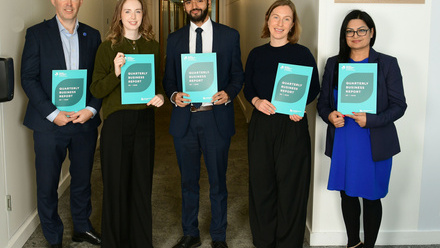
The Staffordshire Gateway Growth Panel, convened by the Greater Birmingham Chambers of Commerce is currently preparing a roadmap for unleashing the potential of Staffordshire Gateway businesses. The report will be launched in March 2026.