US administration’s stance triggers corporate ethics rethink across UK boardrooms – report

The US administration's criticism of initiatives like Equality, Diversity, and Inclusion (EDI) and environmental sustainability, is directly reshaping UK corporate ethics.
With new research commissioned by UK law firm Freeths, showing more than half (54 per cent) of UK businesses have changed the way they approach ethical policies and practices.
And over a quarter (28 per cent) having made wholesale changes or abandoned them altogether.
The survey of 250 General counsels and Chief Legal Officers across UK corporates also found that UK businesses are putting profit ahead of ethics.
Today, over four in five (83 per cent) corporate legal leaders believe ‘doing the right thing’ comes secondary to profit in business decision making.
This comes despite the UK Government’s commitments towards a more sustainable society, including stronger climate pledges and employee rights.
Most (83 per cent) legal experts say ethics in business decision making is more important than ever, but only a third (35 per cent) of UK organisations are proactive in responding to ethical challenges.
These are just some of the findings which come from a new report titled ‘The Corporate Conscience Index’, conducted by Freeths, who launched the landmark High Court victory for 555 sub-postmaster clients against the Post Office, which exposed Britain's largest miscarriage of justice.
It examines how businesses today are approaching ethical decision-making, where business conscience meets commercial reality, and where the gaps remain.
It is the first outcome of a multi-year initiative designed to track UK business ethics, amidst the changing political, technological and societal landscape.
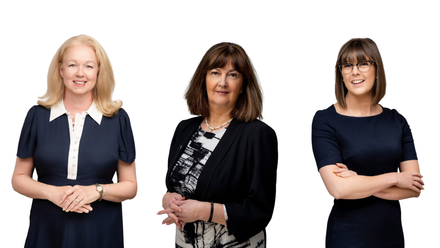
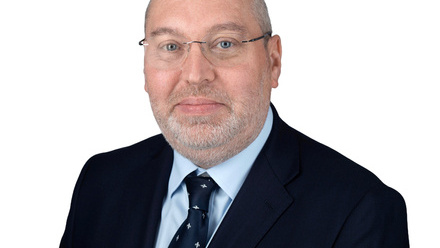
Philippa Dempster (pictured), senior partner at the B Corp accredited Freeths said: "The truth is that a drive for profit can significantly impact or impede ethical decision-making.
“Our research exposes a troubling reality: while businesses express commitment to doing the right thing, there's still a significant gap between principle and practice.
“And even in the light of the Post Office scandal, we're seeing some UK businesses abandon valuable ethical and moral initiatives in response to outside influence.”
The conflict between ethics and profit is driving a ‘principle and practise’ disconnect.
The new ethics agenda is taking shape despite almost nine in ten (88 per cent) UK organisations having already implemented an ethical decision-making framework, but over a third (38 per cent) say this framework needs updating.
The level of ethics being executed in the coming months and years will need to be closely watched.
Nine in ten (90 per cent) legal experts however do say their ethical guidance is likely to be listened to by senior leadership, and most (85 per cent) say their organisation has turned down business opportunities on ethical grounds in the past.
But today, around a quarter of legal professionals (21 per cent) are still only moderately (or lower) comfortable speaking up about ethical best practice and 80 per cent believe their organisations should rethink their roles and the good they can do for people.