West Midlands lagging behind ‘femtech’ sector shift despite national success

Investment in the UK femtech sector has increased substantially over the last decade, with deal activity rising by more than 194 per cent, according to new research conducted by law firm Mills & Reeve.
From a geographical perspective, the research also shows that the majority of deals have been conducted in London.
The data highlights a growing North/South divide, with certain regions remaining significantly underrepresented in the national figures.
Investment remains heavily concentrated in London, with limited femtech investment activity in areas such as the West Midlands, Yorkshire, the North East, and the North West.
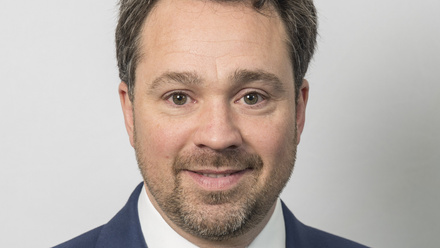
Julian Smith (pictured), corporate partner and head of healthtech M&A at Mills & Reeve, which conducted the research, said: “Clearly, the regional ecosystem in the Midlands is growing, with the emergence of a number of exciting early stage companies that are making significant strides in the sector.
“However, this start-up activity is yet to translate into meaningful funding, with companies still struggling to attract large investment rounds. This has resulted in the regional distribution of UK femtech investment remaining heavily concentrated in London.
“As a national firm, we are also witnessing a similar trend. More investments are being made into women’s health businesses based in the South – and more businesses are, often as a result, locating themselves there, rather than in the Midlands and the North of England.”
While the capital has strengthened its position as the main hub for femtech startups in the UK, the research shows that more UK regional clusters are slowly emerging, demonstrating a positive geographical spread.
Between 2015 and 2025, the number of deals rose from 18 to 53. Total funding also grew sharply, increasing from £9.4 million in 2015 to more than £100 million ten years later.
While both sets of figures demonstrate positive growth, deal volume and value are still relatively low compared to other segments of the health and care market.
For example, in healthcare, there were 69 deals in 2015 and 171 deals in 2025.
In the last 10 years, more companies have raised funding, with investment values also increasing. The average deal size has more than doubled since 2015, increasing from £527,000 to £1.9 million.
Last year, the largest funding rounds included SheMed, which raised more than £37 million, together with Gaia (£12 million), emm (£6.8 million), and Hertility (£5.9 million), with the majority of investors being UK-based.
According to the research, while femtech is still largely early-stage, with the majority of deals seed-stage investments, the presence of venture capital has increased over the last decade. This demonstrates the growing maturity of the market, with the number of VC deals soaring by 600 per cent.
Julian said: “Over the last decade, the UK femtech ecosystem has expanded, both in terms of deal activity and funding levels.
“This positive upward trend demonstrates growing investor confidence in femtech and increasing institutional interest in the sector.
“Whilst companies in femtech have relied heavily on angel investors and angel networks to fund their growth ambitions, dynamics are shifting, with more venture capital and PE investors appearing in funding rounds.
“However, this is just the beginning and there is still more to do. While the sector has experienced strong growth, more work needs to be done to create the right funding environment that is balanced and evenly spread across the UK.
“There’s no doubt that London remains a dominant force in femtech – both in terms of deal activity and total funding.
“However, we are seeing a gradual regional expansion outside of the capital, with the South West, South East and the East of England showing increased investment activity in the femtech sector.
“This trend is no doubt being driven by growing regional innovation hubs, the increasing influence of university spinouts, as well as improved support for start-ups in those regions.”
“Looking at the positives, we have advised and are continuing to advise on some significant investments in the sector. This further evidences the growing nature of femtech, with sector specific investors also coming to the market.”