
How SMEs can retain top talent through leadership development
Written by Rebecca Mander from GuruYou Coaching
Every organisation wants to attract and retain talented people. Yet for many small and medium-sized businesses, providing high-quality leadership and personal development can feel out of reach. Without dedicated learning and development teams or substantial training budgets, development is often delayed—not because it isn't important, but because it's difficult to deliver at scale.
That doesn't mean people need development any less. In fact, I'd argue the opposite.
Over the last few years, I've had the privilege of coaching hundreds of professionals across the UK, particularly within the legal sector. While the roles vary, the conversations are remarkably similar.
Technical ability rarely limits people's careers. More often, it's confidence, self-belief and mindset that determine whether someone steps forward or holds themselves back. The people I work with are intelligent, capable and hardworking. Yet many quietly struggle with confidence, visibility, imposter syndrome, difficult conversations, resilience or simply believing they deserve the next opportunity.
These aren't "soft skills". They're career-defining skills.
How often have we seen someone avoid applying for promotion because they don't feel ready? Stay silent in meetings despite having the answer? Turn down opportunities because they don't feel comfortable putting themselves forward?
Left unchecked, these moments accumulate. Confidence shrinks. Ambition fades.
Eventually, talented people begin to wonder whether they would be better supported somewhere else.
For many businesses, replacing that talent is far more expensive than investing in its development.
Large organisations often have dedicated learning teams, internal coaching programmes and structured leadership pathways. Smaller businesses rarely have that luxury. Yet they face exactly the same challenge: attracting good people, helping them grow and giving them reasons to stay.
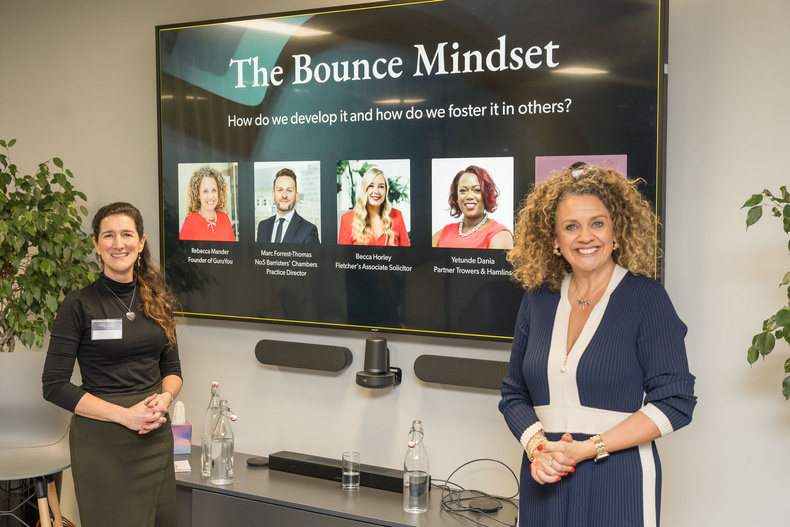
One of the most rewarding aspects of delivering The Bounce Mindset Programme has been watching what happens when delegates realise they aren't the only person experiencing these thoughts.
Whether someone is starting their career, adjusting to life after promotion, returning from maternity leave, stepping into management for the first time or simply wondering what comes next, the relief of discovering that others feel the same is incredibly powerful.
Learning alongside peers from different organisations creates something unique. Participants share experiences, challenge one another's thinking and discover practical solutions they may never have encountered within their own workplace. They leave with greater confidence, practical tools and professional relationships that often continue long after the programme has finished.
The benefits aren't limited to the individual. Confident employees communicate more effectively, build stronger client relationships, collaborate better with colleagues and are more willing to embrace new opportunities. Coaching and structured development have consistently been shown to improve engagement, resilience and performance, making development an investment in both people and business success.
For years, many organisations have assumed leadership development begins at senior level. I don't believe it should.
Future leaders are shaped much earlier through the conversations they have, the confidence they build and the opportunities they're given to step outside their comfort zone.
This autumn, I'm delighted to launch an open cohort of The Bounce Mindset Programme, designed for organisations that don't have the numbers to justify running an in-house programme.
The programme brings together delegates from different organisations to explore practical topics including confidence, resilience, overcoming imposter syndrome, communication, visibility, goal setting and career progression. Participants also benefit from peer coaching, accountability and the opportunity to learn alongside professionals facing many of the same challenges.
One in three alumni from programmes delivered with organisations including No5 Chambers, Wesleyan and other Birmingham-based employers have since achieved promotion. Just as importantly, participants consistently tell us they leave seeing themselves—and their careers—differently.
The working world has never been more demanding. Technical excellence will always matter.
But mindset is what enables people to thrive under pressure, adapt to change, build strong relationships and fulfil their potential. Every employee deserves access to development that helps them become not only a better professional, but a more confident and fulfilled person.
Firm size shouldn't determine whether that opportunity exists. As more businesses rethink how they attract, retain and develop talented people, perhaps the question is no longer whether development matters.
It's how we make it accessible to organisations of every size. Collaborative development programmes that bring people together across businesses may be one answer—and one that benefits individuals, employers and the wider business community alike.
About the author
Rebecca Mander is the founder of GuruYou and creator of The Bounce Mindset® Programme, helping professionals and organisations build confidence, resilience and leadership capability. This autumn, GuruYou is launching an open cohort programme designed specifically for SMEs that want to invest in their people without the cost of running an in-house programme. Find out more by visiting the website.