Chambers survey to examine impact of Iran conflict on business

Business views are being sought on the impact of the Iran conflict – with some firms in Greater Birmingham already reporting significant cost rises.
As businesses face fuel cost increases, freight delays and supply chain disruption as a result of the war, the British Chambers of Commerce has launched a survey to understand the full extent.
Greater Birmingham businesses are being encouraged to have their say on how events in the Middle East are affecting their operations.
The survey also factors in other pressures on business including changes to employment rights and increases to the National Living Wage.
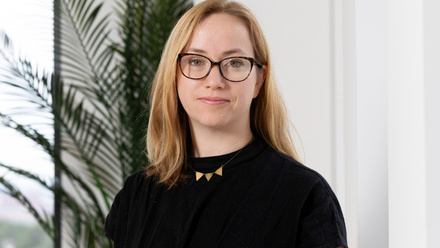
Emily Stubbs (pictured), head of policy at Greater Birmingham Chambers of Commerce, said: “Whilst we hope that the current ceasefire between the US and Iran leads to a permanent cessation in hostilities, weeks of disruption to shipping and supply chains, and lasting damaged sustained by energy infrastructure in the Middle East mean that supplies of oil and gas will remain affected for some time.
“Whilst the UK gets a relatively small proportion of its oil and gas from the Middle East, as a net energy importer, the UK is vulnerable to global energy shocks.
“Anecdotally, some Greater Birmingham businesses are already reporting rapidly rising weekly fuel costs, freight delays of goods by plane and boat due to reroutes of cargo, and significant increases in carriage costs for goods that are shipped, and many report limited ability to absorb these price increases.
“Meanwhile, the conflict has also severely disrupted global fertiliser supplies, causing prices of key nutrients to spike significantly, threatening global food security and significant increases to food price inflation longer-term.
“Ultimately, higher costs for businesses, compounded by cumulative pressures on employment costs, and increased bills for households, will harm the UK economy.”
Edgbaston-based restaurant Chapter said the war in Iran made things “worse overnight” for the already beleaguered hospitality industry.
Co-owner Ann Tonks said: “Back in February, it would have been hard to imagine what could be worse for our bottom line than the impending increases to the National Minimum Wage, business rates and daily standing charges for electricity, coupled with the new employment laws - all imposed by a government who are supposedly concerned about the cost of living.
“But it got worse overnight with the disastrous war in the Middle East instigated by the American president.
“The war in the Middle East has a direct effect on our food and beverage purchase costs.
“It’s obvious that fuel prices add to delivery costs which are passed on to us as a business.
“But the effect on global supply chains is also significant, leading to increased freight costs and delays in international produce.
“While Chapter buys 90 per cent of our produce from Britian, our home grown produce naturally rises as well, as demand for more readily available crops and livestock leads to price increases and issues of availability.
“Costs of agri products such as fertilizer have jumped, leading to price pressure on daily home grown produce such as beans, broccoli, mangetout, chillies to name but a few.
“And of course, in a business based on food production, weather shocks are always there ready to upset normal business – we don’t need additional trauma created by choice from politicians.”
The Chambers survey takes around 10 minutes to complete, with the results being fed directly to key stakeholders such as the Government and the Bank of England.
Emily Stubbs added: “Through this survey, we are keen to deepen our understanding of how the conflict in Iran, alongside changes to employment rights and increases to the National Living Wage are impacting businesses in Greater Birmingham, the wider West Midlands, and the UK as a whole.
“A series of big challenges are currently facing firms, from global conflicts to changes in domestic policy.
“By contributing your insights to this survey, you are providing vital evidence to support the Chamber’s work advocating on your behalf.”