Independent retailers urged to review music licensing costs – Bira
Independent retailers are being encouraged to better understand their music licensing obligations and explore cost-saving alternatives as rising operational pressures continues to impact the sector.
The latest episode of 'High Street Matters' from the British Independent Retailers Association (Bira) has explored the obligations around PRS and PPL music licensing, the consequences of non-compliance, and a royalty-free alternative that can save retailers an average of 70 per cent compared to traditional licensing costs.
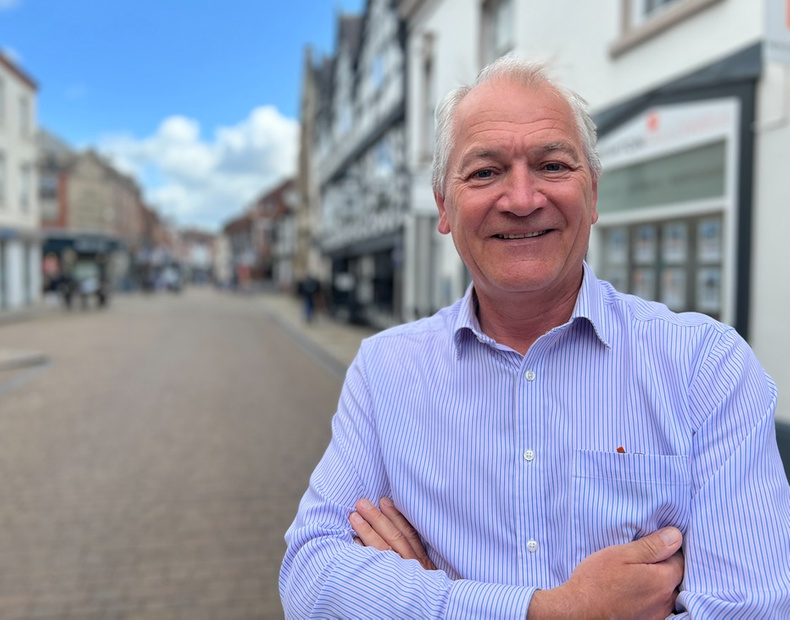
The episode, titled 'The Cost of Playing Music in Your Shop', features Andrew Goodacre (pictured), CEO of Bira, Grant Thompson from Background Sounds, and Mel Beard, Chair of Health Stores UK.
Andrew Goodacre (pictured) said: "Music licensing sits alongside business rates, energy costs and retail crime as yet another cost burden for independent retailers.
“Every saving matters, which is why it's so important that retailers understand their obligations and know what alternatives are available to them."
Grant Thompson explained that the licensing landscape is complex, with around 60 different tariffs from PRS and PPL depending on the type and size of business.
He said: "In the vast majority of cases, if you're playing music in a commercial space via whatever method - CD, Spotify, radio - you're going to need a music licence to cover that. Costs are not easy for people to work out in the first instance."
Mr Thompson, whose company Background Sounds has been supporting approaching 1,000 businesses across the UK with royalty-free music for five years, explained that retailers caught playing music without a licence face a 50 per cent premium on top of standard costs.
Mel shared her experience of navigating the music licensing landscape, which prompted her health food shops to explore royalty-free alternatives.
She said: "It's important that it's something that you have on your checklist when you're opening your shop - what am I going to do about music? The royalty-free option is a much more cost-effective option. It saves an awful lot of time and effort and paperwork."
Mel added: "Most retailers don't have that kind of time to go down that route, so Background Sounds offers just a really quick instant solution that's cost-effective, especially with the Bira offer as well. It's a bit of a no-brainer."
The podcast explores how royalty-free music works differently from traditional licensing, with artists monetising their music through sync agreements rather than PRS and PPL registration.
Background Sounds offers 67,000 tracks across 67 different playlists, updated twice a month, accessible via a streaming platform that works with tablets and sound systems.
Mr Goodacre reminded retailers that if they want to switch from an existing licence, they need to give 30 days’ notice, and emphasised the importance of understanding obligations around music in retail spaces.
Mel highlighted the importance of background music to the retail experience: “Shops are too quiet without it - it makes customers uncomfortable when you can hear a pin drop. It's really important in lifestyle shops where people browse for a long time. It creates the right atmosphere.”