Midlands permanent hiring rises at fastest pace since 2022 - survey

Permanent placements across the Midlands rose for a third month running in September, growing at the fastest rate since November 2022, according to the latest KPMG and REC UK Report on Jobs.
The survey, compiled by S&P Global from responses by around 100 recruitment and employment consultancies in the region, also showed temporary billings expanding for the first time since June.
Recruiters attributed the improvement to a general pick-up in hiring amid better market confidence.
Although modest, the rise in permanent placements was stronger than in every tracked English region except the North.
Temporary billings had fallen for two consecutive months before returning to growth in September.
The upturn was the sharpest since May and quicker than the UK average.
However, demand for staff remained weak.
Permanent vacancies in the Midlands fell for the 28th month in a row, although the pace of decline was the softest of 2026 so far. Temporary vacancies fell only marginally.
Candidate availability continued to rise. Permanent staff supply grew rapidly, with recruiters pointing to redundancies, while temporary availability increased for a seventh month running, its fastest rate since last December.
Both increases were slower than the UK-wide trend.
Pay growth remained subdued. Starting salaries for permanent workers rose at the strongest rate since February, though still below historical and UK averages, as employers sought skilled candidates and senior hires.
Temporary pay rose for a tenth consecutive month, but the pace eased from August's 15-month high and was the weakest of the four English regions tracked.
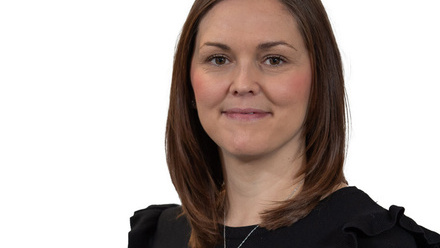
Kate Holt (pictured), people consulting partner at KPMG in the Midlands, said: "September's figures suggest confidence is returning to the Midlands jobs market.
“Permanent placements have now risen for three consecutive months, with growth at its strongest since November 2022, while the return to growth in temp billings suggests businesses are becoming more willing to add capacity across both longer-term and flexible roles.
“That said, jobseekers are unlikely to feel the full benefit of that improving confidence just yet. Vacancies are still falling and candidate availability continues to rise, meaning competition for roles remains high.
“With the Autumn Budget approaching, businesses will be looking for measures that give them the certainty to turn improving confidence into investment and sustained hiring.
“If that happens, September's progress could start to translate into a broader recovery in opportunities across the region.”