Powering Birmingham’s future: How South & City College drives innovation and inclusive growth

This blog was written as part of the 2025 Birmingham Economic Review, an annual report produced by University of Birmingham/City-REDI in partnership with the Greater Birmingham Chambers of Commerce. Read the full report.
By Anshu Williams, Assistant Director - Employer Engagement, South & City College Birmingham
Innovation and Adaptation at the Heart of Progress
South & City College Birmingham (SCCB) is more than an education provider—it’s a catalyst for change. Driven by it’s focus on innovation, the college partners with businesses to accelerate digital transformation and sustainable practices, ensuring Birmingham remains competitive in emerging sectors like green technologies and advanced engineering.
Building a Skilled and Future-Ready Workforce
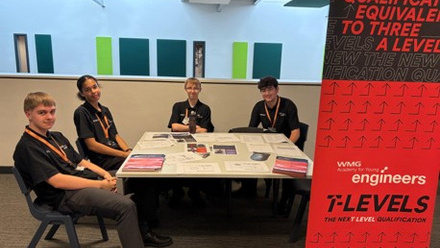
With Birmingham’s diverse and youthful population, SCCB plays a critical role in bridging skills gaps. From T Levels and apprenticeships to bespoke training aligned with the Local Skills Improvement Plan, the college equips learners for careers in electrification, sustainable construction, and digital industries. Initiatives like the BBV Construction Gateway prepare residents for major projects such as HS2.
Supporting Major Transport and Infrastructure Projects
SCCB is deeply embedded in the city’s infrastructure ambitions. As a co-leader of the Construction Skills Alliance, the college delivers training for thousands of roles linked to HS2, Paradise, and Smithfield developments. Its state-of-the-art construction facilities and training programs ensure local talent is ready for Birmingham’s £2.4 billion transport investment and beyond.
Driving Inclusive and Sustainable Growth
Inclusivity is central to SCCB’s mission. By collaborating with employers and community organizations, the college expands access to green skills, digital technologies, and immersive learning environments. These efforts create pathways for residents to secure meaningful employment while supporting Birmingham’s transition to a low-carbon economy.